
Nigeria Gambling Market: Navigating Africa’s Largest Betting Landscape
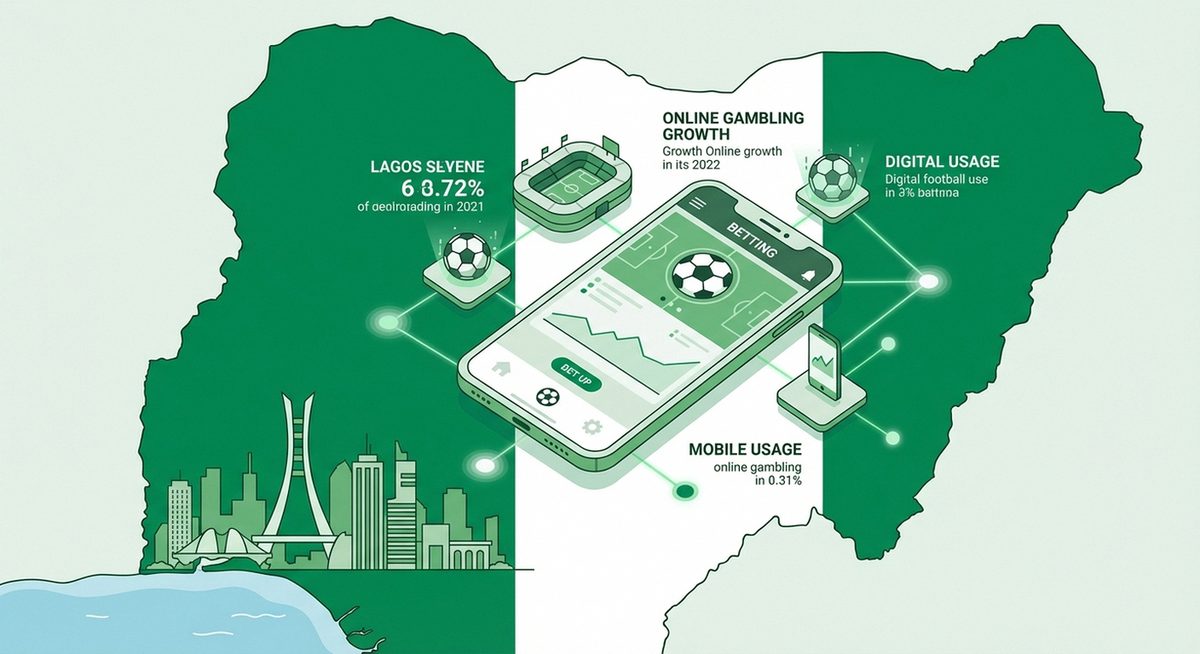

The Nigeria gambling market stands as Africa’s undisputed giant, a dynamic landscape currently undergoing a profound transformation. As 2026 approaches, stakeholders are grappling with significant regulatory shifts that promise to redefine licensing, operations, and market access across the nation. This report delves into the complexities of these changes, offering a comprehensive overview for B2B operators, investors, and regulatory bodies seeking to understand the future trajectory of Nigerian sports betting and the broader gambling sector.
A landmark Supreme Court ruling in November 2024 has fundamentally altered the federal-state dynamic, stripping the National Lottery Regulatory Commission (NLRC) of its singular nationwide authority. This pivotal decision ushers in an era of state-level regulation, presenting both challenges and unprecedented opportunities within the burgeoning Africa gambling market. Understanding these intricate developments is crucial for strategic positioning in this high-growth environment.
The Evolving Regulatory Landscape: A Paradigm Shift
The bedrock of Nigeria’s betting and gaming industry has been fundamentally reshaped by recent legislative and judicial actions. The transition from a centralized federal oversight to a more fragmented, state-centric approach necessitates a deep understanding of the new operational frameworks. This section outlines the key regulatory developments impacting the Nigeria gambling market.
The Supreme Court’s Landmark 2024 Ruling
In November 2024, the Nigerian Supreme Court delivered a verdict that reverberated throughout the gambling sector. This ruling unequivocally clarified that the power to regulate lotteries and gaming primarily rests with individual states, effectively curtailing the nationwide authority previously wielded by the National Lottery Regulatory Commission (NLRC). This decision marks a critical turning point for Nigeria betting regulation, demanding a reassessment of existing licenses and compliance strategies.
The implication is a shift towards a multi-jurisdictional licensing environment. Operators must now navigate diverse state-specific regulations, which vary in their requirements, fees, and enforcement mechanisms. This fragmentation, while initially complex, also creates opportunities for states to tailor regulations that suit their local economic and social contexts.
Rise of State-Level Regulation and the FSGRN
In response to the Supreme Court’s ruling, a significant collaborative effort has emerged among states. The Federation of State Gaming Regulators of Nigeria (FSGRN) has been formed, comprising over 22 member states committed to harmonizing their regulatory approaches. This body aims to mitigate the potential chaos of highly disparate state laws and provide a more streamlined path for operators.
The FSGRN’s formation is a direct acknowledgment of the need for a coordinated response to the new regulatory reality. Its primary objective is to foster cooperation and establish common standards, ensuring a degree of predictability for businesses operating within the Nigeria gambling market. This collective approach could prove vital in maintaining the integrity and growth of Nigerian sports betting.
The Universal Reciprocity Certificate (URC)
A cornerstone initiative by the FSGRN is the introduction of the Universal Reciprocity Certificate (URC). This innovative solution addresses the challenge of multi-state licensing by offering a mechanism for operators to obtain a single, recognized certification that facilitates operations across all participating FSGRN member states. The URC is designed to simplify compliance and reduce the administrative burden on businesses.
For operators in the Nigeria gambling market, the URC represents a crucial tool for efficiency. It allows for a more unified approach to market entry and expansion, rather than requiring individual licenses from each of the 22+ states. This move is expected to attract more investment and foster growth in the fragmented but lucrative Nigerian sports betting sector.
Federal Ambitions: The Central Gaming Bill 2025
Despite the Supreme Court’s clear delineation of powers, the federal government, through the Senate, is attempting to reassert its control over the gambling industry. The proposed Central Gaming Bill 2025 seeks to establish a new federal framework, potentially aiming to override state-level authority or at least create a dual regulatory system. This legislative push, however, faces significant constitutional challenges.
The ongoing debate surrounding the Central Gaming Bill adds another layer of complexity to Nigeria betting regulation. Its passage, or failure, will have profound implications for the long-term structure of the Nigeria gambling market. Stakeholders are closely monitoring these developments, understanding that the outcome will shape the regulatory stability for years to come.
Market Dynamics and Growth Drivers: A Booming Sector
The Nigeria gambling market is not just undergoing regulatory evolution; it is simultaneously experiencing explosive growth, driven by a young, tech-savvy population and a deep-seated passion for sports. This section explores the key statistics and cultural factors propelling the Africa gambling market’s largest player.
Sizing the Nigeria Gambling Market
Economically, the Nigeria gambling market is a formidable force. Projections indicate the market will reach approximately $3.63 billion by 2025, solidifying its position as the largest betting market in Africa. This substantial valuation underscores the immense potential and profitability available for operators who can successfully navigate its complexities.
The sheer scale of financial activity highlights the critical importance of effective Nigeria betting regulation. With such significant sums in play, robust frameworks are essential to ensure fair play, consumer protection, and sustainable growth across the industry.
Online Betting: A Digital Boom
A significant portion of this growth is attributable to the online segment. The online gambling market is projected to reach approximately $500 million, demonstrating a robust annual growth rate exceeding 16%. This digital acceleration is fueled by increasing internet penetration, smartphone adoption, and a preference for convenience among Nigerian consumers.
The shift towards online platforms has transformed Nigerian sports betting. Mobile applications dominate, with an astonishing 87% of all betting activities conducted via apps. This mobile-first approach is a critical consideration for any operator looking to succeed in the Nigeria gambling market, requiring seamless, intuitive, and secure mobile experiences.
Demographics and Engagement
The demographic profile of Nigerian gamblers is a key driver of market vitality. An estimated 60 million Nigerians actively engage in gambling, with an impressive daily spend of $5.5 million. Crucially, 90% of these participants fall within the 18-34 age bracket, representing a young, digitally native, and economically active consumer base.
This youthful demographic is highly receptive to new technologies and entertainment options. Their engagement levels drive consistent demand for diverse betting products, from traditional sports betting to virtual games and online casinos, further bolstering the Nigeria gambling market’s growth trajectory.
The Pervasive Influence of Football
Football is more than just a sport in Nigeria; it is a cultural phenomenon that deeply intertwines with the gambling market. The nation’s fervent passion for both local and international football leagues provides an unparalleled foundation for Nigerian sports betting. Major European leagues, in particular, command immense viewership and betting activity.
This cultural connection ensures sustained engagement and high participation rates. Operators who effectively tap into this passion, offering comprehensive football betting options, live streaming, and engaging promotions, are well-positioned to capture significant market share within the Nigeria gambling market.
Key Players and Competitive Landscape
The Nigeria gambling market is characterized by a competitive landscape featuring both established international brands and powerful local operators. Understanding the strategies and market positions of these key players is essential for any entity looking to enter or expand within the sector.
Dominant Operators in Nigerian Sports Betting
Several major players command significant shares of the Nigerian sports betting market. Bet9ja, a local powerhouse, boasts an estimated valuation of around $750 million, underscoring its deep penetration and brand loyalty. SportyBet has emerged as a leader in traffic and online engagement, leveraging strong digital strategies.
BetKing, another prominent operator, reported impressive revenue of $106 million with a staggering 76% year-over-year surge, indicative of rapid growth and effective market capture. International brands like 1xBet and Betway also maintain a strong presence, leveraging global recognition and robust platforms to compete effectively within the dynamic Nigeria gambling market.
Emerging Trends and Market Fragmentation
Beyond the established giants, the Nigeria gambling market is seeing increased fragmentation with the entry of new local and international operators. This trend is partly fueled by the evolving regulatory landscape, which, despite its complexities, also lowers barriers to entry for some agile new players.
Operators are increasingly focusing on localized content, mobile-first strategies, and diversified product offerings to capture niche segments. The competition for the attention of the 60 million active Nigerian gamblers is intense, driving innovation in promotions, user experience, and payment solutions across the Nigerian sports betting ecosystem.
Taxation and Fiscal Implications: Understanding Nigeria Gambling Tax
The financial framework for gambling operations in Nigeria is undergoing significant revisions, particularly concerning taxation. These changes will directly impact operators’ profitability and require careful financial planning. Navigating the nuances of Nigeria gambling tax is paramount for sustainable business operations.
Understanding Nigeria Gambling Tax Structures
Historically, the Nigeria gambling market has operated under a multi-layered tax system. This includes a 5% excise duty on betting stakes, which contributes to government revenue. Additionally, a 5% withholding tax on winnings is applied, impacting payouts to successful gamblers. These taxes form part of the existing fiscal responsibilities for operators.
The complexity of these structures, coupled with the new regulatory environment, necessitates expert financial advice. Operators must ensure full compliance with both federal and state-specific tax obligations to avoid penalties and maintain their operational licenses within the evolving Nigeria betting regulation framework.
Impact of the New GGR Tax
A significant development is the introduction of a new flat 11% Gross Gaming Revenue (GGR) tax, set to take effect from 2026. This move represents a substantial shift in the taxation model, directly impacting the revenue streams of gambling operators. The GGR tax is typically levied on the revenue generated after payouts to players, making it a direct charge on the operator’s profits.
The implementation of the 11% GGR tax will require operators in the Nigeria gambling market to recalibrate their financial projections and business models. This new tax, alongside existing duties and withholding taxes, will influence pricing strategies, bonus offerings, and overall profitability. Strategic planning around this new fiscal reality is crucial for long-term viability in the Nigerian sports betting sector.
Navigating the New Environment: Recommendations for Stakeholders
For operators and investors in the Nigeria gambling market, the current period of regulatory flux presents both challenges and unparalleled opportunities. Strategic adaptation and proactive engagement are key to thriving in this evolving landscape. This section offers practical recommendations for navigating the new environment.
Strategic Adaptation to State-Level Licensing
Given the Supreme Court ruling, a primary recommendation is to develop a robust strategy for state-level licensing. Operators should conduct thorough due diligence on individual state regulations, understanding their specific requirements, application processes, and compliance obligations. This might involve building stronger local teams with expertise in regional regulatory affairs.
Prioritizing key states based on market size, demographic profile, and regulatory stability will be crucial. A phased approach to multi-state licensing could help manage resources and mitigate risks, ensuring a smooth transition under the new Nigeria betting regulation framework.
Leveraging the Universal Reciprocity Certificate
For multi-state operations, actively pursuing and leveraging the Universal Reciprocity Certificate (URC) offered by the FSGRN is a strategic imperative. The URC significantly streamlines the licensing process across participating states, reducing administrative burden and accelerating market entry or expansion. Engagement with the FSGRN can also provide valuable insights into future regulatory harmonisation.
The URC is a powerful tool for efficiency in the Nigeria gambling market. Operators should ensure their applications are compliant with URC requirements to maximize its benefits and achieve widespread operational coverage with greater ease.
Compliance and Risk Management
In an environment of regulatory change, robust compliance and risk management frameworks are non-negotiable. This includes establishing clear internal policies, regular audits, and continuous monitoring of legislative developments at both federal and state levels. Investing in legal counsel specialized in Nigerian gambling law is highly advisable.
Effective risk management extends beyond just licensing and tax; it encompasses responsible gaming initiatives, anti-money laundering (AML) protocols, and data protection. A proactive approach to compliance will build trust with regulators and consumers, reinforcing an operator’s standing in the Nigeria gambling market.
Digital Innovation and Mobile-First Strategies
With 87% of betting activity occurring via mobile apps, prioritizing digital innovation and a mobile-first strategy is paramount. This includes developing highly optimized, user-friendly mobile applications, investing in secure and efficient payment gateways, and leveraging data analytics to personalize user experiences.
Continuous innovation in product offerings, such as in-play betting, virtual sports, and e-sports, will keep operators competitive in the dynamic Nigerian sports betting landscape. Harnessing the power of technology is key to capturing and retaining the young, digitally native demographic that drives the Nigeria gambling market.
Frequently Asked Questions
What is the current state of Nigeria gambling market regulation?
The Nigeria gambling market is transitioning from federal to primarily state-level regulation following a Supreme Court ruling in November 2024. States now have the primary authority, though federal efforts like the Central Gaming Bill 2025 are attempting to reassert some control. Operators must navigate this evolving, fragmented landscape.
How does the Universal Reciprocity Certificate (URC) affect multi-state operations?
The Universal Reciprocity Certificate (URC), introduced by the Federation of State Gaming Regulators of Nigeria (FSGRN), aims to simplify multi-state licensing. It allows operators to obtain a single, recognized certification facilitating operations across all 22+ participating FSGRN member states, streamlining compliance for the Nigeria gambling market.
What is the projected size and growth of the Nigeria gambling market?
The Nigeria gambling market is projected to reach approximately $3.63 billion by 2025, solidifying its position as Africa’s largest. The online segment, specifically, is growing at over 16% annually, expected to hit $500 million, driven by high mobile penetration and a young demographic.
What are the key tax obligations for gambling operators in Nigeria?
Operators in the Nigeria gambling market face a 5% excise duty on stakes and a 5% withholding tax on winnings. From 2026, a new flat 11% Gross Gaming Revenue (GGR) tax will also be implemented. Understanding and complying with these Nigeria gambling tax structures is crucial for profitability.
Which are the dominant operators in Nigerian sports betting?
Key players dominating Nigerian sports betting include local giants like Bet9ja (valued at ~$750M) and BetKing (reporting $106M revenue, 76% YoY surge). SportyBet leads in traffic, while international brands such as 1xBet and Betway also hold significant market shares in the Nigeria gambling market.
How does Nigeria’s football culture influence its gambling market?
Nigeria’s profound passion for football is a primary driver of its gambling market. Both local and international leagues, especially European ones, generate immense betting activity and engagement. Operators leveraging this cultural connection with comprehensive football betting options see high participation rates.
What percentage of Nigerian gambling occurs via mobile apps?
An overwhelming 87% of all gambling activities in the Nigeria gambling market are conducted via mobile applications. This highlights the critical importance of a mobile-first strategy, including optimized apps, secure payment gateways, and seamless user experiences for operators targeting Nigerian sports betting enthusiasts.
What is the Senate Central Gaming Bill 2025 and its potential impact?
The Senate Central Gaming Bill 2025 is a federal legislative attempt to reassert control over the Nigeria gambling market, potentially creating a new federal framework. However, this bill faces significant constitutional challenges given the Supreme Court’s 2024 ruling that empowered states. Its outcome will significantly shape future Nigeria betting regulation.
The Nigeria gambling market is at a pivotal juncture, offering immense opportunities amidst a complex and evolving regulatory landscape. The Supreme Court’s ruling, the rise of state-level regulation, and the innovative Universal Reciprocity Certificate are redefining how businesses operate. Coupled with a booming market size, driven by a youthful, mobile-first demographic and a deep passion for football, the potential for growth remains substantial for those who can adapt.
Success in this dynamic Africa gambling market will hinge on strategic agility, deep understanding of Nigeria betting regulation, and a commitment to compliance and digital innovation. Operators who proactively navigate the new Nigeria gambling tax structures and embrace the state-led regulatory framework, particularly through initiatives like the FSGRN and URC, are best positioned to capitalize on this vibrant sector. For detailed market intelligence and strategic guidance to thrive in the Nigerian sports betting landscape, contact our expert team today.