
Japan Casino Market: Unpacking the $155 Billion Gambling Enigma
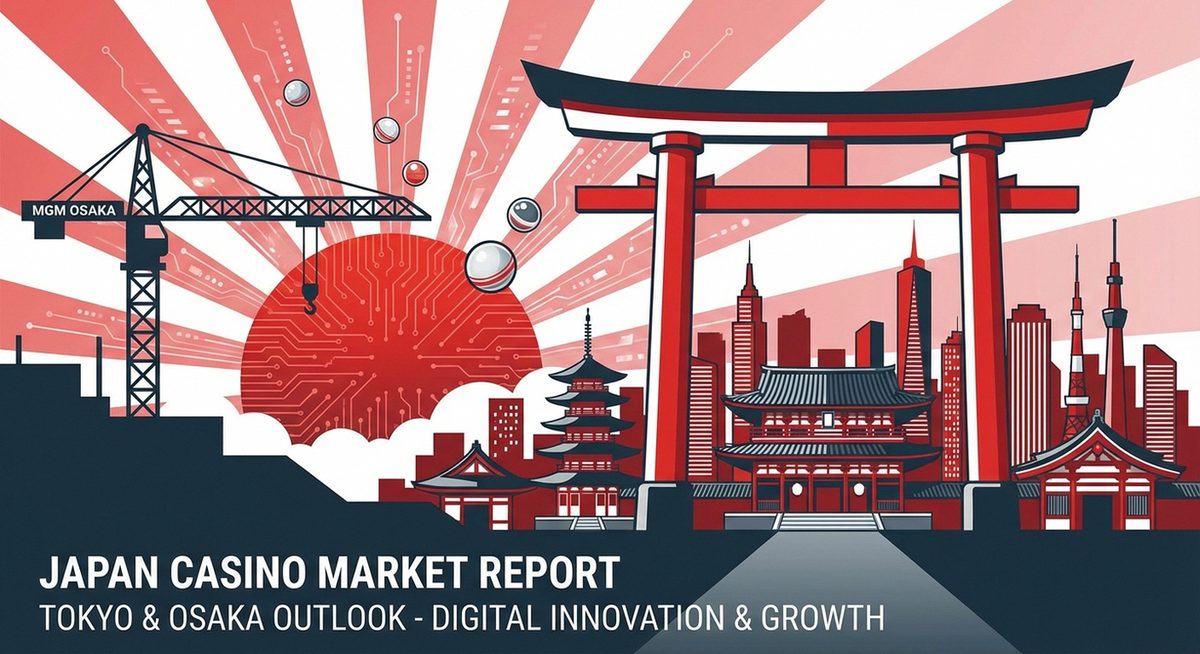

The Japan casino market presents a fascinating and complex landscape, a paradox where gambling is technically illegal under the Penal Code yet thrives as a colossal $155 billion industry. This comprehensive report delves into the intricate web of existing legal exceptions, the transformative impact of Integrated Resorts (IRs), and the burgeoning potential within this highly regulated, yet incredibly lucrative, sector. As we approach 2026, understanding the nuances of Japan’s gambling environment is critical for stakeholders looking to navigate its unique challenges and opportunities.
For businesses and investors, the Japanese market is not merely about the introduction of casinos but a profound shift in entertainment, tourism, and urban development. This report provides an in-depth analysis of the regulatory framework, key players, and future projections, offering invaluable insights for strategic decision-making in one of Asia’s most intriguing economies.
The Paradoxical Landscape of Japan’s Existing Gambling Sector
Japan’s approach to gambling stands as a unique global anomaly. While the Penal Code broadly prohibits gambling, a series of special laws have carved out significant exceptions, giving rise to an enormous, albeit fragmented, industry. This dualistic legal framework underpins the entire Japan casino market narrative, necessitating a nuanced understanding for any prospective entrant or observer.
The sheer scale of this existing market, even before the advent of casino-centric IRs, underscores the deep-seated cultural acceptance and economic significance of various forms of wagering. From traditional racing to the ubiquitous pachinko parlors, the Japanese public has long engaged with regulated forms of gambling.
Historical Context and Legal Nuances
For decades, Japan has maintained a strict stance against most forms of gambling, with Article 185 of the Penal Code criminalizing it. However, specific legislative acts have created legal avenues for certain activities. These include public sports events such as horse racing (Keiba), boat racing (Kyotei), bicycle racing (Keirin), and motorcycle racing (Auto Race), all operated by public entities and contributing to local government revenues.
Additionally, state-sanctioned lotteries (Takarakuji) are immensely popular, and the pachinko industry, while technically a game of skill and not direct gambling in the legal sense, functions as a massive quasi-gambling sector. This complex legal tapestry illustrates the historical pragmatism applied to a culturally sensitive topic, paving the way for the eventual introduction of integrated resorts.
The Mammoth Scale of Japan’s Existing Gambling Market
The cumulative value of Japan’s legally sanctioned gambling activities is staggering, reaching approximately 23.3 trillion yen, equivalent to around $155 billion annually. This figure firmly establishes Japan as one of the largest gambling markets globally, even without traditional casinos. The majority of this colossal sum is attributed to the pachinko industry.
Pachinko, a pinball-like game, historically dominated the landscape with revenues of approximately 14.6 trillion yen. However, this sector has been in a steady decline, with the number of parlors shrinking from a peak of 18,000 to around 7,600 today. This decline, driven by demographic shifts and stricter regulations, highlights a market ripe for new forms of entertainment and revenue generation, making the Japan casino market‘s expansion particularly timely.
Integrated Resorts (IRs): A New Era for the Japan Casino Market
The introduction of Integrated Resorts (IRs) marks a watershed moment for the Japan casino market, signifying a deliberate shift towards regulated, large-scale entertainment complexes designed to boost tourism and economic growth. This ambitious initiative is poised to transform Japan’s leisure and hospitality landscape.
These multi-billion-dollar developments are not merely casinos but comprehensive resorts featuring hotels, convention centers, shopping malls, and entertainment venues, aligning with Japan’s broader tourism strategy. The meticulous planning and stringent regulatory oversight reflect a cautious yet determined approach to this new venture.
The IR Implementation Act of 2018
The legal foundation for the new era of the Japan casino market was laid with the Integrated Resort (IR) Implementation Act of 2018. This landmark legislation authorized the development of up to three IRs across Japan, with the primary objectives of enhancing international tourism, stimulating regional economies, and creating new employment opportunities. The Act meticulously outlines the regulatory framework, operator licensing, and social safeguards necessary for the responsible operation of these resorts.
Central to this framework is the establishment of the Japan Casino Regulatory Commission (JCRC), an independent body tasked with strict oversight of all casino operations. The JCRC ensures transparency, integrity, and compliance with anti-money laundering measures, reflecting Japan’s commitment to maintaining a highly controlled and reputable gambling environment.
MGM Osaka: The Flagship Japan IR Integrated Resort
The first approved Japan IR integrated resort is the ambitious MGM Osaka project, a joint venture between MGM Resorts International and ORIX Corporation. This landmark development on Yumeshima island in Osaka Bay commenced construction in April 2025, with an anticipated opening in autumn 2030. The total investment for this mega-resort is projected to be between $8.9 billion and $10 billion, underscoring the scale of this endeavor.
The MGM Osaka casino will be a cornerstone of the resort, complemented by luxury hotels, extensive convention facilities, diverse entertainment options, and retail spaces. Stringent regulations will apply, including a 30% Gross Gaming Revenue (GGR) tax for foreign visitors and a higher 45% for domestic patrons. Additionally, Japanese residents will be required to pay a 6,000 yen entrance fee, designed to mitigate potential social impacts and promote responsible gambling.
Prospects for Future Japan IR Integrated Resorts
While MGM Osaka leads the charge, the potential for additional Japan IR integrated resort developments remains high. The IR Implementation Act allows for a total of three resorts, meaning a second bidding round is highly anticipated. This round is provisionally scheduled for May to November 2027, sparking interest from various prefectures and international operators.
Prefectures like Aichi and Hokkaido have expressed sustained interest in hosting an IR, recognizing the significant economic benefits. International operators, including Hard Rock International, have also reiterated their commitment to participating in future bidding processes, signaling strong confidence in the long-term viability of the Japan casino market. The careful and deliberate pace of these developments reflects Japan’s methodical approach to market expansion.
Navigating Japan Gambling Regulation and Policy
The regulatory environment surrounding gambling in Japan is one of the most stringent globally, a testament to the nation’s cautious approach to this sector. Understanding Japan gambling regulation is paramount for any entity looking to engage with or invest in the market, whether directly in casinos or in ancillary services.
The framework is designed not only to ensure the integrity of operations but also to address potential social concerns, striking a delicate balance between economic benefit and public welfare. This robust regulatory architecture differentiates Japan from many other established gambling jurisdictions.
The Role of the Japan Casino Regulatory Commission (JCRC)
The Japan Casino Regulatory Commission (JCRC) is the linchpin of Japan gambling regulation. Established in January 2020, this independent administrative agency is endowed with broad powers to oversee all aspects of casino operations. Its responsibilities include issuing and revoking licenses, conducting thorough background checks on operators and key personnel, and monitoring daily operations to prevent criminal activities such as money laundering.
The JCRC also plays a crucial role in enforcing strict advertising rules and ensuring the implementation of problem gambling countermeasures. Its rigorous oversight aims to build and maintain public trust in the integrity and fairness of the casino industry, setting a high bar for operational standards within the Japan casino market.
Taxation and Social Safeguards
The fiscal structure for IRs in Japan is designed to generate substantial revenue while also addressing social impact. As mentioned, a tiered GGR tax system is in place: 30% for foreign patrons and 45% for domestic visitors. This differential aims to encourage inbound tourism while placing a higher burden on local gambling activity.
Beyond taxation, significant social safeguards are embedded in Japan gambling regulation. These include the mandatory 6,000 yen entrance fee for Japanese residents every 24 hours, limits on casino visit frequency (e.g., three times a week, ten times a month), and comprehensive self-exclusion programs. These measures reflect a proactive stance on preventing problem gambling and maintaining public order, crucial elements for the long-term acceptance of the Japan casino market.
Political Backing and Future Trajectory
Despite initial public skepticism and political debate, the IR initiative has garnered significant backing from key political figures. Notably, Prime Minister Sanae Takaichi has been a vocal supporter of IRs, emphasizing their potential to revitalize regional economies and attract high-value tourists. This consistent political endorsement provides a stable foundation for the ongoing development and expansion of the Japan casino market.
The long-term trajectory of Japan gambling regulation is expected to remain cautious but progressive. As the first IRs become operational, the government will likely evaluate their economic and social impacts, potentially influencing decisions regarding the number and location of future resorts. This adaptive approach ensures that the market evolves responsibly and sustainably.
The Untapped Potential: Online Gambling and Sports Betting in Japan
While the focus has largely been on land-based IRs, the broader Japanese gambling landscape includes a significant, albeit unregulated, online component and a rapidly expanding legal sports betting market. These areas represent both challenges and immense potential for future development and regulation within the context of the Japan casino market.
The digital realm of gambling in Japan is characterized by a stark contrast: strict prohibition on one hand and a thriving offshore market on the other. This dichotomy presents a complex regulatory puzzle that policymakers are beginning to address.
The Offshore Online Gambling Market: A Regulatory Challenge
Currently, Japan online gambling legalization remains elusive, with all forms of online casino and betting activities, outside of specific public sports betting (Keiba, etc.) and lotteries, being strictly illegal. Despite this prohibition, a substantial offshore online gambling market has flourished, estimated to be worth approximately $8.1 billion annually. This illicit market poses significant challenges for consumer protection, tax revenue, and the integrity of the overall gambling ecosystem.
In response to the proliferation of offshore platforms targeting Japanese consumers, the government has announced a sweeping advertising ban on such platforms, set to take effect in September 2025. This move signals a more aggressive stance against unregulated online gambling, potentially paving the way for future discussions around regulated Japan online gambling legalization, albeit cautiously and perhaps in conjunction with the IRs.
The Expanding Sports Betting Landscape
In contrast to the ambiguity surrounding online casinos, the legal sports betting market in Japan is experiencing robust growth. Driven by the popularity of traditional public sports events, the market was valued at $5.67 billion and is projected to surge to $14.16 billion by 2033. This growth is fueled by increasing engagement with horse racing, boat racing, and other sanctioned events, often facilitated through authorized online platforms managed by public bodies.
The expansion of this market highlights a strong public appetite for wagering on sporting events. While distinct from casino gambling, the success of the regulated sports betting sector could provide insights and a potential model for future considerations regarding broader Japan online gambling legalization, particularly if integrated with land-based IR offerings to create a holistic entertainment ecosystem.
Investment Considerations and Market Outlook for the Japan Casino Market
For B2B stakeholders, the Japan casino market represents a unique investment frontier, characterized by high barriers to entry but also significant long-term potential. Navigating this landscape requires a deep understanding of local regulations, cultural sensitivities, and the strategic vision behind the IR initiative.
The market outlook is generally positive, driven by strong government backing for IRs and a robust existing gambling culture. However, investors must also be cognizant of the inherent challenges, including lengthy development timelines and a rigorous regulatory environment.
Key Opportunities for B2B Stakeholders
The development of Japan IR integrated resort projects like MGM Osaka creates a multitude of opportunities across various B2B sectors. These include construction and infrastructure development, highly specialized gaming technology and equipment suppliers, hospitality services (hotels, F&B), entertainment programming, retail partnerships, and security solutions. Companies offering expertise in smart city technology, sustainable development, and advanced logistics will also find fertile ground.
Furthermore, the increased tourism generated by IRs will indirectly benefit travel agencies, transportation providers, and local businesses in surrounding areas. The focus on MICE (Meetings, Incentives, Conferences, and Exhibitions) within IRs also opens doors for event management companies and related service providers, making the Japan casino market a diverse ecosystem of opportunities.
Challenges and Risks
Despite the promise, investing in the Japan casino market comes with notable challenges. The regulatory environment, while clear, is exceptionally strict and demands unwavering compliance. Public sentiment, though evolving, remains a critical factor, and operators must demonstrate a strong commitment to corporate social responsibility and problem gambling prevention.
Long development timelines, exemplified by the nearly decade-long journey for MGM Osaka, require significant capital commitment and patience. Furthermore, potential changes in government policy or shifts in global economic conditions could impact market dynamics. Stakeholders must also consider the competitive landscape once all IRs are operational, ensuring their offerings remain distinct and compelling.
Strategic Recommendations for Market Entry
To succeed in the burgeoning Japan casino market, B2B companies should prioritize strategic partnerships with local entities, leveraging their understanding of Japanese business practices and cultural nuances. A thorough due diligence on Japan gambling regulation is essential, ensuring full compliance from the outset.
Focusing on innovation and differentiation, particularly in technology, sustainability, and unique entertainment offerings, can provide a competitive edge. Engaging with the Japan Casino Regulatory Commission (JCRC) early and often, demonstrating a commitment to responsible business practices, will also be crucial for building trust and ensuring smooth operations. Proactive engagement with local communities and a clear communication strategy regarding economic benefits will also be vital.
Frequently Asked Questions
Is gambling legal in Japan?
Gambling is technically illegal under Japan’s Penal Code, but significant exceptions exist through special laws. These include public sports betting (horse, boat, bicycle, motorcycle racing), lotteries, and the unique pachinko industry. Integrated Resorts (IRs) with casinos are now legally permitted under the IR Implementation Act of 2018.
What is the size of the Japan casino market, including existing gambling?
The total legal gambling market in Japan, encompassing all existing forms like racing, lotteries, and pachinko, is estimated to be around 23.3 trillion yen, or approximately $155 billion annually. The casino segment, with the launch of IRs, is poised to add significantly to this figure.
When will the MGM Osaka casino open?
The MGM Osaka casino, part of the larger MGM Osaka IR integrated resort, is projected to open in autumn 2030. Construction for the resort began in April 2025 on Yumeshima island.
What are the key regulations for the Japan casino market?
Key regulations are enforced by the Japan Casino Regulatory Commission (JCRC). These include a tiered GGR tax (30% for foreign visitors, 45% for domestic), a 6,000 yen entrance fee for Japanese residents, and strict limits on visit frequency. Operators also face rigorous licensing and anti-money laundering requirements.
Are there plans for more Japan IR integrated resorts?
Yes, the IR Implementation Act allows for up to three integrated resorts. Following the approval of MGM Osaka, a second bidding round for additional IRs is anticipated between May and November 2027. Prefectures like Aichi and Hokkaido have expressed interest.
Is online gambling legal in Japan?
No, Japan online gambling legalization for casino games and most sports betting (outside of public sports events and lotteries) is currently illegal. However, a significant offshore online gambling market exists, prompting a sweeping advertising ban on these platforms from September 2025.
What is the role of the Japan Casino Regulatory Commission (JCRC)?
The JCRC is an independent body responsible for overseeing all casino operations in Japan. Its functions include issuing and revoking licenses, conducting background checks, preventing criminal activities, enforcing advertising rules, and implementing problem gambling countermeasures, ensuring the integrity of the Japan casino market.
What is the projected growth for the sports betting market in Japan?
The legal sports betting market in Japan, currently valued at $5.67 billion, is projected to grow significantly, reaching an estimated $14.16 billion by 2033. This growth is driven by the popularity of public sports events like horse and boat racing.
The Japan casino market, with its intricate blend of prohibition and legalized exceptions, stands at the cusp of a transformative era. The advent of Integrated Resorts, spearheaded by the ambitious MGM Osaka casino, promises to redefine Japan’s tourism and entertainment landscape, offering substantial opportunities for B2B stakeholders. While Japan gambling regulation remains stringent, it provides a stable and secure environment for long-term investment.
As we look towards 2026 and beyond, the careful evolution of the Japan IR integrated resort framework, coupled with the potential future considerations for Japan online gambling legalization, paints a picture of a dynamic and high-potential market. Businesses prepared to navigate its unique paradoxes and adhere to its robust regulatory standards are well-positioned for significant success in this fascinating and lucrative market.