Croatia Gambling Market Transformation: Navigating 2026 Regulatory Changes
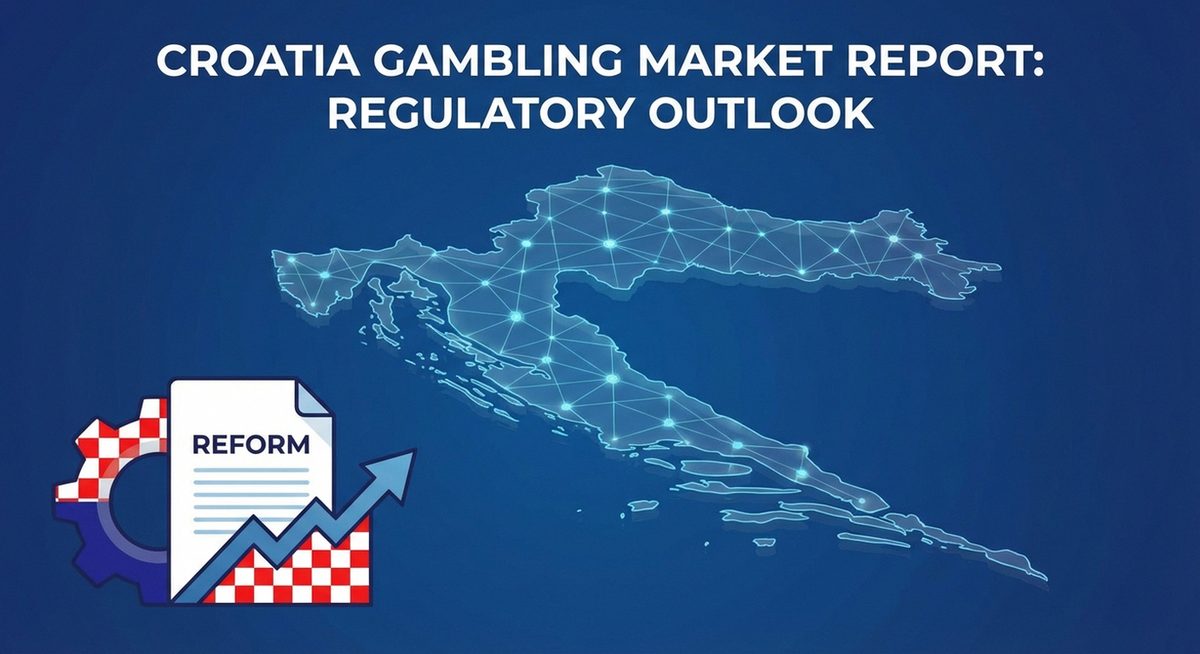

The Croatia gambling market is on the cusp of a significant transformation, with a major legislative overhaul set to reshape the landscape for operators and investors. As a key EU and Eurozone member since 2023, Croatia’s iGaming sector is attracting increasing international attention, driven by robust tourism and a burgeoning digital economy. This report provides an in-depth analysis of the upcoming regulatory changes and the vast opportunities within the Croatian betting market.
Understanding the intricacies of the new Games of Chance Act framework is paramount for any stakeholder looking to thrive in this dynamic environment. From revised taxation to stringent advertising restrictions and updated licensing requirements, the reforms will redefine operational strategies and market entry points. Our expert analysis delves into these critical shifts, offering strategic insights for navigating the future of the Croatia gambling market.
Understanding Croatia’s Evolving iGaming Landscape
Croatia has solidified its position as an attractive destination within the European Union, benefiting from its recent entry into the Eurozone. This economic stability, combined with a vibrant tourism sector attracting over 20 million visitors annually, provides a fertile ground for the growth of its iGaming industry. The synergy between tourism and a robust domestic market creates unique opportunities for the Croatia gambling market.
However, the sector is currently undergoing a period of intense scrutiny and planned reform. Operators must understand the existing framework before delving into the upcoming changes. The current market, while dynamic, is preparing for a new era of enhanced regulation and compliance, all aimed at fostering a more responsible and secure gambling environment.
A Strategic European Hub
Croatia’s strategic location in Central and Southeast Europe, coupled with its EU and Eurozone membership, positions it as a significant player in the regional iGaming scene. This integration facilitates easier cross-border operations for licensed entities and aligns its regulatory standards more closely with broader European norms. The economic stability offered by the Eurozone membership further enhances investor confidence in the Croatia gambling market.
The country’s digital infrastructure is also rapidly advancing, supporting the growth of online gambling platforms. This technological readiness, combined with a population increasingly comfortable with digital transactions, underscores the potential for sustained expansion within the Croatian betting market, especially as new regulations aim to modernize the sector.
Current Market Snapshot and Growth Trajectory
The Croatia gambling market is substantial, with an estimated total market size of approximately EUR 720 million. The online segment, in particular, demonstrates significant vitality, accounting for around EUR 445 million of this total. This robust performance is projected to continue, with an impressive Compound Annual Growth Rate (CAGR) of 8.4% through 2030, highlighting the inherent growth potential.
This growth is fueled by increasing player engagement and the continuous innovation from existing Croatia iGaming operators. The market’s current structure, however, is set to be profoundly impacted by the upcoming legislative changes, which aim to refine market access and operational parameters. Understanding these growth drivers is crucial for anticipating the future direction of the Croatia gambling market.
The Games of Chance Act: A Comprehensive Legislative Overhaul
The most pivotal development for the Croatia gambling market is the comprehensive overhaul of the Games of Chance Act. This legislative reform is designed to modernize the existing regulatory framework, address emerging challenges, and align Croatia’s gambling laws with contemporary standards. The changes are being implemented in distinct phases, each carrying significant implications for operators and the overall market structure.
The Ministry of Finance is at the helm of this ambitious reform, signaling a clear intent to exert greater control and oversight over the sector. Stakeholders must pay close attention to the details of these legislative updates to ensure compliance and strategically position themselves within the evolving Croatian betting market.
The Ministry of Finance: Regulatory Authority and Vision
The Ministry of Finance serves as the primary regulatory body overseeing all gambling activities within Croatia. Its role extends from issuing licenses to enforcing compliance and shaping the legislative agenda. The ongoing reform of the Games of Chance Act is a direct initiative of the Ministry, reflecting its vision for a more regulated, transparent, and socially responsible Croatia gambling market.
This centralized oversight ensures a consistent approach to regulation, but also means that all major policy shifts emanate from this single authority. Operators must therefore maintain close vigilance on communications and directives from the Ministry of Finance to stay ahead of compliance requirements and understand the trajectory of Croatia gambling regulation 2026.
Phase 1: Immediate Changes in Late 2025
The first phase of the Croatia gambling law reform is scheduled for late 2025, introducing two significant changes that will immediately impact the operational landscape. These initial reforms target specific aspects of the market to enhance player protection and consolidate regulatory control. Operators need to prepare for these shifts well in advance to ensure a smooth transition.
One major change is the termination of ‘kladomati’, which are self-service betting terminals. This move aims to centralize betting activities and potentially drive more engagement towards regulated online and retail channels. Simultaneously, the introduction of ‘Registar Igraca’, a national self-exclusion register, will empower players to manage their gambling habits more effectively, a crucial step towards responsible gaming within the Croatia iGaming market.
Phase 2: Major Reforms Effective January 2026
The second and more extensive phase of the Croatia gambling regulation 2026 will come into effect in January 2026, bringing a raft of comprehensive changes. These reforms target core areas such as advertising, physical proximity of establishments, and licensing fees, indicating a significant tightening of the regulatory environment across the entire Croatia gambling market.
Key among these changes is a strict advertising ban on gambling products between 6 AM and 11 PM, severely limiting promotional opportunities. Furthermore, the use of celebrities and athletes in any gambling advertising will be prohibited, aiming to reduce the appeal of gambling to vulnerable populations. New distance rules will also be enforced: gambling establishments must be 500 meters away from schools, while betting shops will require a 200-meter distance. Additionally, operators can expect increased license fees, reflecting the higher regulatory burden and the government’s intent to generate more revenue from the sector. These measures will fundamentally alter how businesses operate within the Croatian betting market.
Market Dynamics, Key Players, and Financial Implications
Beyond the legislative changes, understanding the underlying market dynamics, the performance of key Croatia iGaming operators, and the revised taxation framework is essential for strategic planning. The upcoming reforms will undoubtedly shift competitive landscapes and financial obligations, requiring a proactive approach from all stakeholders within the Croatia gambling market.
Despite the regulatory tightening, the market’s inherent growth potential remains attractive. Operators who can adapt swiftly to the new rules and innovate within the revised framework are best positioned to capture a significant share of the evolving Croatian betting market. This section delves into these critical financial and competitive aspects.
Market Size and Growth Projections
As previously highlighted, the Croatia gambling market currently boasts a total size of approximately EUR 720 million, with online gambling contributing a substantial EUR 445 million. The projected 8.4% CAGR through 2030 underscores a robust growth trajectory, even amidst the regulatory shifts. This growth is indicative of strong consumer demand and a developing digital ecosystem.
For investors, these figures represent a compelling opportunity, provided they navigate the regulatory complexities effectively. The focus on online growth suggests that digital innovation and a strong online presence will be critical success factors in the future Croatia gambling market, reinforcing the importance of adapting to the Croatia gambling regulation 2026.
Leading Croatia iGaming Operators
The Croatian betting market is currently dominated by several established players who have built strong brand recognition and extensive operational networks. SuperSport stands out as the undisputed market leader, holding a significant share of both the online and retail segments. Other prominent operators include Favbet, Hrvatska Lutrija (the state-owned lottery), PSK/Hattrick, Germania Sport, and Admiral.
These operators will be at the forefront of adapting to the new regulatory environment. Their strategies for compliance, market innovation, and customer retention under the new Croatia gambling law reform will largely dictate their continued success. New entrants will face the challenge of competing with these established giants while adhering to the stricter entry requirements.
Taxation Framework and Player Winnings
The financial implications of the new legislation extend to the taxation framework, which will see adjustments impacting both operators and players. Currently, betting turnover is taxed at 5%, while casino Gross Gaming Revenue (GGR) faces a 15% levy. These rates are subject to review and potential alteration as part of the broader Croatia gambling law reform.
A significant change will be the introduction of a new tiered player winnings tax. This reform aims to create a more equitable and progressive taxation system for individual winnings, potentially impacting player behavior and the overall attractiveness of certain games. Operators must meticulously understand these new tax obligations to accurately forecast profitability within the Croatia gambling market.
Industry Concerns: The HUBPS Perspective
While the legislative overhaul aims to enhance responsibility and regulation, it has also raised concerns within the industry. The Croatian Association of Gaming Operators (HUBPS) has voiced warnings about the potential negative consequences of some proposed changes. Specifically, HUBPS estimates that approximately 15,000 jobs could be at risk due to the increased regulatory burden and operational restrictions.
This highlights the delicate balance between robust regulation and maintaining a healthy, competitive industry that contributes significantly to the national economy. Stakeholders must consider these industry perspectives when evaluating the long-term impact of the Croatia gambling regulation 2026 on employment and economic stability within the Croatia gambling market.
Navigating the New Regulatory Environment: Opportunities and Challenges
The impending Croatia gambling law reform presents both significant challenges and unique opportunities for businesses operating within or looking to enter the Croatia gambling market. Proactive adaptation and strategic foresight will be critical for success in this transformed landscape. Operators must view these changes not merely as hurdles, but as catalysts for innovation and market differentiation.
By understanding the nuances of the new Games of Chance Act, businesses can refine their strategies, ensure compliance, and identify new avenues for growth. This section provides actionable insights for navigating the post-2026 Croatian betting market, focusing on strategic considerations and investment potential.
Strategic Considerations for Operators
For existing Croatia iGaming operators, strategic adjustments are imperative. This includes a complete overhaul of marketing and advertising strategies to comply with the new strict ban on celebrity endorsements and peak-time promotions. Investment in responsible gambling tools and robust self-exclusion mechanisms, such as integration with Registar Igraca, will also be crucial.
Furthermore, evaluating retail footprint in light of the new distance rules from schools will be necessary, potentially leading to relocation or consolidation of physical betting shops. Operators must also factor in increased license fees into their financial models, ensuring sustainable operations within the reformed Croatia gambling market.
Investment Landscape in the Croatian Betting Market
Despite the increased regulatory stringency, the Croatia gambling market continues to offer attractive investment opportunities, particularly given its projected growth rate and EU/Eurozone status. Investors should focus on companies demonstrating strong compliance frameworks, innovative technology solutions, and a clear strategy for engaging with the new regulatory environment.
Opportunities may also arise in ancillary services, such as responsible gambling technology providers, compliance consultants, and marketing agencies specializing in non-traditional advertising. The long-term stability offered by a well-regulated market can be highly appealing to serious investors seeking sustainable returns from the Croatian betting market.
Frequently Asked Questions
What are the key changes in Croatia gambling regulation 2026?
The Croatia gambling regulation 2026 introduces major changes including the termination of kladomati, establishment of a national self-exclusion register (Registar Igraca), an advertising ban from 6 AM-11 PM, prohibition of celebrity/athlete endorsements, new distance rules for establishments from schools (500m for gambling, 200m for betting shops), and increased license fees.
How will the new Croatian betting market laws impact existing operators?
Existing operators in the Croatian betting market will face significant adjustments. They must adapt their advertising strategies, potentially relocate physical betting shops, integrate with the Registar Igraca, and account for higher operational costs due to increased license fees and new taxation on player winnings. Compliance and innovation will be crucial.
What is the projected growth of the Croatia iGaming market?
The Croatia iGaming market is projected to grow at a Compound Annual Growth Rate (CAGR) of 8.4% through 2030. The online segment alone is currently valued at approximately EUR 445 million, indicating strong potential despite the impending regulatory changes.
Which are the major Croatia iGaming operators currently?
Key Croatia iGaming operators include SuperSport (the market leader), Favbet, Hrvatska Lutrija (the state lottery), PSK/Hattrick, Germania Sport, and Admiral. These established players hold significant market share and will be pivotal in adapting to the new regulatory landscape.
What is the role of the Ministry of Finance in Croatia’s gambling sector?
The Ministry of Finance is the primary regulatory body for Croatia’s gambling sector. It is responsible for issuing licenses, enforcing compliance with the Games of Chance Act, and leading the legislative overhaul, including the Croatia gambling law reform, to ensure a well-regulated and responsible market.
Will online gambling be affected by the Croatia gambling law reform?
Yes, online gambling will be significantly affected by the Croatia gambling law reform. The new regulations include measures such as the Registar Igraca (self-exclusion register) and stricter advertising rules, which will directly impact how online operators acquire and retain customers and ensure responsible gaming practices.
What are the new advertising restrictions for gambling in Croatia?
Effective January 2026, new advertising restrictions for gambling in Croatia include a ban on advertising between 6 AM and 11 PM. Furthermore, the use of celebrities and athletes in any gambling-related advertisements will be strictly prohibited, aiming to reduce the appeal of gambling to minors and vulnerable individuals.
How does Croatia’s EU membership influence its gambling market?
Croatia’s EU and Eurozone membership since 2023 significantly influences its gambling market by aligning its regulatory framework more closely with broader European standards. This integration fosters economic stability, attracts international investment, and facilitates cross-border operations for licensed entities, enhancing the overall appeal and credibility of the Croatia gambling market.
The Croatia gambling market stands at a critical juncture, poised for profound transformation with the implementation of the revised Games of Chance Act. While the upcoming Croatia gambling regulation 2026 presents a series of challenges, particularly concerning operational adjustments and advertising limitations, it also ushers in an era of enhanced stability and potential for responsible growth. The market’s robust size, impressive CAGR, and Croatia’s strategic position within the EU make it an attractive proposition for well-prepared operators and investors.
Navigating this complex landscape requires a deep understanding of the regulatory nuances and a proactive approach to compliance and innovation. For those ready to adapt, the evolving Croatian betting market offers significant opportunities for long-term success. Engage with our expert insights to strategically position your business for growth in this dynamic and promising European iGaming sector.