
Colombia Gambling Market: Navigating Regulation & VAT Pressure Towards 2026
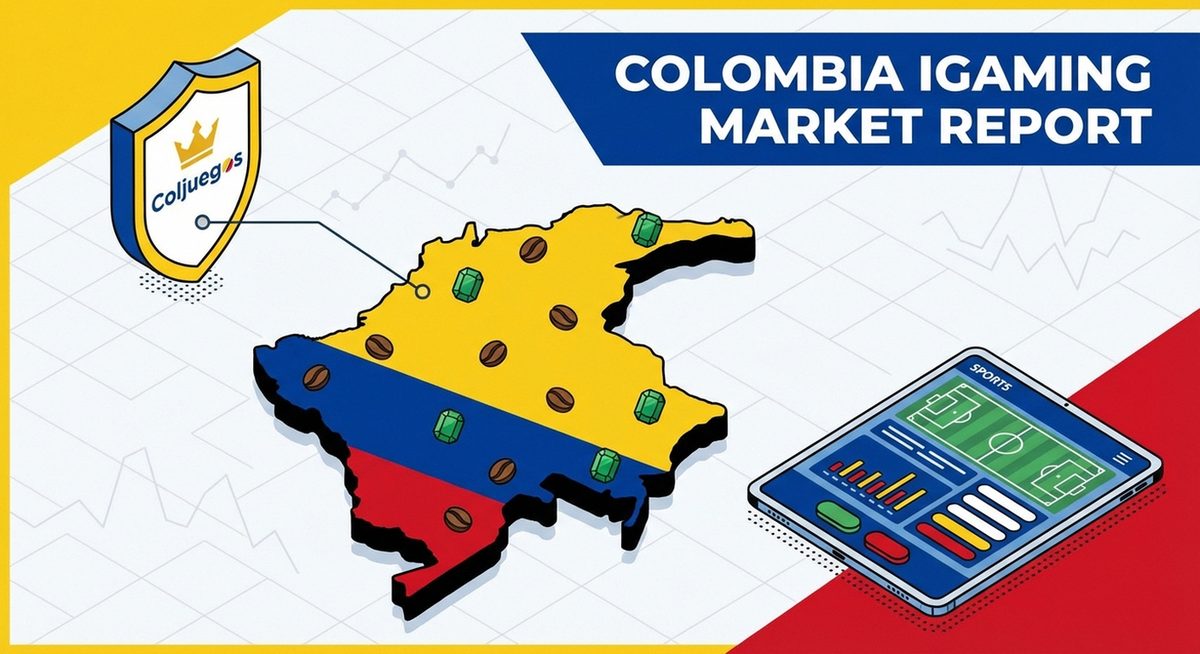

The Colombia gambling market stands as a beacon of mature regulation within Latin America, having been the first country in the region to establish a comprehensive legal framework for online gaming. This foresight positioned Colombia as a highly attractive jurisdiction for iGaming operators, fostering significant growth and contributing substantially to public funds. However, recent fiscal policy changes, particularly the introduction of a 19% Value Added Tax (VAT) on deposits, have introduced considerable uncertainty, challenging the market’s stability and future trajectory.
This in-depth B2B market report delves into the intricate dynamics of the Colombian iGaming sector, analyzing its historical regulatory achievements, current performance metrics, and the critical impact of the VAT decree. We will explore the roles of key regulatory bodies, the competitive landscape, and provide strategic insights for stakeholders looking to understand and navigate this pivotal market. Understanding these elements is crucial for any business keen on engaging with Latin America’s most developed online gambling ecosystem.
Colombia’s Pioneering Regulatory Framework: A Regional Benchmark
Colombia’s journey into regulated online gambling began long before many of its regional counterparts, marking it as a true pioneer. The nation’s proactive approach to legislation has created a structured environment that balances market growth with consumer protection, setting a high standard for other Latin American countries considering iGaming regulation. This robust framework has been instrumental in shaping the current Colombia gambling market.
The 2016 eGaming Act: A Landmark Achievement
In 2016, Colombia enacted the eGaming Act, making it the first country in Latin America to regulate online gambling comprehensively. This legislative milestone provided a clear and stable legal foundation for operators, attracting significant foreign investment and fostering a competitive yet secure market. The Act addressed critical aspects such as licensing, operational standards, responsible gaming, and taxation, ensuring a transparent and controlled environment.
The law’s primary objective was to channel previously unregulated gambling activities into a legal framework, thereby increasing tax revenues for social programs and protecting players from illicit operations. This strategic move solidified Colombia’s position as a leader in responsible iGaming governance and laid the groundwork for the rapid expansion of the Colombia online gambling regulation.
Coljuegos: Guardian of Responsible Gaming and Market Integrity
At the heart of Colombia’s regulatory success lies Coljuegos, the administrative body responsible for the supervision, control, and exploitation of monopoly games of chance and skill. Coljuegos issues licenses, monitors operator compliance, and ensures that all activities within the Colombia gambling market adhere to stringent regulations. Its proactive stance has been crucial in maintaining market integrity and fostering trust among players and operators alike.
Coljuegos’ role extends beyond mere licensing; it actively promotes responsible gaming practices, combats illegal gambling, and ensures that a significant portion of gambling revenues is directed towards the nation’s public health system. The agency’s efficiency and transparent processes have been widely lauded, serving as a model for emerging regulatory bodies across the continent.
Market Performance and Growth Trajectory: Resilience Amidst Challenges
Despite recent regulatory headwinds, the Colombia gambling market has demonstrated remarkable growth and resilience. Its established regulatory framework has allowed for consistent expansion, attracting a growing player base and significant investment from international operators. The market’s performance metrics underscore its potential, even as it navigates new fiscal pressures.
Impressive Revenue & Growth Projections
The Colombia iGaming revenue has shown robust growth, reaching approximately $1.29 billion in 2024. Projections indicate a continued upward trend, with the market expected to exceed $2 billion by 2026, demonstrating a Compound Annual Growth Rate (CAGR) of 9.53%. This growth is primarily fueled by increasing internet penetration, smartphone adoption, and a growing appetite for online entertainment among the Colombian populace.
Player engagement is also strong, with an Average Revenue Per User (ARPU) of $823, which is a significant 29.3% above the Latin American average. This higher ARPU signals a dedicated and valuable player base, indicating the market’s maturity and the effectiveness of localized offerings. Such figures highlight the lucrative opportunities that persist within the Colombia gambling market for strategic investors.
Dominant Verticals: The Reign of Sports Betting
Within the Colombian iGaming ecosystem, sports betting stands as the undisputed leader, accounting for approximately 66% of the total Gross Gaming Revenue (GGR). The fervent passion for football and other sports across Colombia drives this dominance, with operators heavily investing in comprehensive sports betting platforms and localized promotional campaigns. This vertical remains a cornerstone of the Colombia gambling market.
While sports betting leads, other verticals such as online casino games (slots, table games, live casino) are also experiencing steady growth. Operators are increasingly diversifying their offerings to cater to a broader range of player preferences, enhancing the overall appeal and engagement within the regulated market. This diversification helps mitigate risks and provides a more comprehensive entertainment experience.
The VAT Challenge: A Critical Juncture for Market Stability
While the Colombia gambling market has historically thrived under stable regulation, a recent fiscal policy change has introduced significant volatility. The imposition of a 19% Value Added Tax (VAT) on deposits has sparked considerable debate and concern among operators and players alike, threatening to disrupt the positive trajectory of the market.
The 19% VAT on Deposits: Impact and Repercussions
In February 2025, the Colombian government introduced a 19% VAT on deposits made by players into their iGaming accounts. This measure was met with immediate and severe consequences for the Colombia gambling market. Initial reports indicated a drastic 30% drop in GGR following its implementation, alongside a concerning 46.6% decline in monthly tax revenue collected from the sector. This unexpected downturn underscores the sensitivity of the market to changes in player costs.
The Constitutional Court subsequently suspended the decree, acknowledging the significant negative impact and the potential for unintended consequences. However, the government has expressed its intent to make this VAT permanent, signaling ongoing fiscal pressure on the industry. This creates an environment of regulatory uncertainty that could deter future investment and potentially push players back towards unregulated platforms, undermining the very essence of Colombia online gambling regulation.
Implications for Operators and Players
For operators, the VAT on deposits directly impacts profitability and competitive pricing strategies. The increased cost for players could lead to reduced deposit volumes and lower engagement, forcing operators to absorb costs or pass them on, potentially alienating their customer base. This situation demands careful strategic planning and potentially a re-evaluation of business models within the Colombia gambling market.
Players, on the other hand, face higher costs for their entertainment, which could diminish their overall experience and prompt them to seek alternatives. The long-term implications include a potential decline in player loyalty to regulated platforms, a shift towards black-market operators, and a general cooling of enthusiasm for the nascent but growing iGaming sector. This makes the future of Colombia gambling tax policies a critical point of discussion for all stakeholders.
Key Players and Competitive Landscape in the Colombia Gambling Market
The regulated nature of the Colombia gambling market has attracted a diverse array of both domestic and international operators. This competition has fostered innovation and driven high service standards, benefiting Colombian players. The market is characterized by a dynamic interplay of established brands and newer entrants.
Licensed Operators and Market Share Dynamics
Currently, there are between 15 and 16 licensed operators actively competing in the Colombian iGaming space. This robust number indicates a healthy competitive environment and a mature regulatory ecosystem. These operators offer a wide range of products, from sports betting to casino games, tailored to the preferences of the local market.
Betplay, a prominent local brand, holds a significant position as the market leader, demonstrating the strength of localized strategies and brand recognition. Other key players include Wplay.co, Codere, Rivalo, Betsson, and the relatively newer entrant, Betano. Each operator strives to differentiate itself through unique offerings, promotional campaigns, and strong customer service, contributing to the vibrant Colombia iGaming revenue landscape.
Taxation and Social Contribution: The Dual Mandate of Colombia Gambling Tax
A fundamental aspect of Colombia online gambling regulation is its dual purpose: generating significant tax revenues and channeling a substantial portion of these funds towards public health initiatives. This social mandate underpins the regulatory framework and is a key driver for the government’s interest in the sector.
The 17% GGR Tax Model
Operators in the Colombia gambling market are subject to a Gross Gaming Revenue (GGR) tax of 17%. However, an incentive exists where this rate can be reduced to 15% if an operator maintains an average Return To Player (RTP) rate of 83% or higher. This progressive tax structure encourages fair play and responsible operator practices, aligning with consumer protection goals.
This Colombia gambling tax model is designed to ensure a consistent revenue stream for the state while allowing operators a viable business environment. The balance between taxation and market growth is crucial, and any changes, such as the recent VAT, must be carefully considered for their long-term impact on this delicate equilibrium.
Funding the Health System: A Core Mandate
One of the most commendable aspects of Colombia’s gambling regulation is the direct allocation of a significant portion of gambling revenues to the national health system. The sector contributes over COP 1 billion annually to public health, underscoring its vital role in social welfare. This makes gambling not just an entertainment industry but a significant contributor to national development.
This social contribution provides a strong justification for the existence and regulation of the Colombia gambling market, demonstrating how a well-managed industry can positively impact society. Any policy changes that threaten the stability or profitability of the market could, therefore, have wider implications for public health funding, making the VAT debate even more critical.
Strategic Outlook and Recommendations for B2B Stakeholders
The Colombia gambling market presents a unique blend of established regulatory maturity and emerging fiscal challenges. For B2B stakeholders, understanding these dynamics is paramount for strategic planning and successful market penetration. Navigating this landscape requires agility, insight, and a commitment to collaboration.
Navigating Regulatory Uncertainty and Policy Evolution
Given the ongoing debate around the VAT on deposits, B2B companies eyeing or operating within the Colombian market must prioritize robust regulatory monitoring. Engaging with local legal experts and industry associations is crucial to stay abreast of policy changes and their potential implications for business operations and investment strategies. Proactive engagement with Coljuegos can also provide valuable insights into future regulatory directions for Colombia online gambling regulation.
Developing contingency plans for various regulatory scenarios, including the permanent implementation or complete withdrawal of the VAT, is advisable. This includes assessing potential impacts on pricing, marketing, and partnership agreements. Flexibility in business models will be a key asset in adapting to the evolving regulatory environment of the Colombia gambling market.
Capitalizing on Growth Opportunities and Market Nuances
Despite the challenges, the underlying growth potential of the Colombia gambling market remains strong, driven by high ARPU and the dominance of sports betting. B2B providers should focus on offering localized solutions that cater to Colombian player preferences, particularly in sports betting technology, data analytics, and payment solutions that address local consumer habits.
Opportunities also exist in diversifying product offerings, such as advanced casino content, live dealer solutions, and innovative responsible gaming tools, which can help operators attract and retain players. Strategic partnerships with established local operators can provide invaluable market access and insights, helping to navigate cultural nuances and competitive pressures effectively and contribute to Colombia iGaming revenue growth.
The Future of the Colombia Gambling Market: A Path to Further Maturity
Colombia’s position as a regulatory pioneer in Latin America is undisputed, and its iGaming market continues to offer significant opportunities. The current VAT challenge, while substantial, represents a critical test of the market’s resilience and the government’s commitment to a stable regulatory environment. The outcome of this debate will largely shape the immediate future of the Colombia gambling market.
Looking ahead, continued collaboration between the government, regulators (Coljuegos), and industry stakeholders will be essential to ensure sustainable growth. Prioritizing player protection, fostering responsible gaming, and maintaining a predictable tax framework are key to unlocking the full potential of this dynamic market and ensuring its long-term success as a regional leader.
Frequently Asked Questions
What is the current state of Colombia online gambling regulation?
Colombia boasts the most mature online gambling regulation in Latin America, established by the 2016 eGaming Act. Coljuegos is the primary regulator, overseeing licensing, compliance, and responsible gaming. While robust, the market is currently navigating uncertainty due to a recently introduced 19% VAT on deposits.
How much revenue does the Colombia iGaming market generate?
The Colombia iGaming market is projected to generate approximately $1.29 billion in online revenue in 2024. It is forecast to reach $2 billion by 2026, demonstrating a strong Compound Annual Growth Rate (CAGR) of 9.53%. This growth highlights the market’s significant potential.
What is the impact of the 19% VAT on deposits in the Colombia gambling market?
The 19% VAT on deposits, introduced in February 2025, has significantly impacted the Colombia gambling market. It led to an estimated 30% drop in Gross Gaming Revenue (GGR) and a 46.6% decline in monthly tax revenue. Although suspended by the Constitutional Court, the government intends to make it permanent, creating ongoing uncertainty.
Who are the leading operators in the Colombia gambling market?
The Colombia gambling market is competitive, with 15-16 licensed operators. Betplay is currently the market leader, followed by other prominent brands such as Wplay.co, Codere, Rivalo, Betsson, and the newest entrant, Betano. These operators drive innovation and competition.
How does Colombia gambling tax contribute to society?
A significant portion of Colombia gambling tax revenue is allocated to the national health system, contributing over COP 1 billion annually. This social mandate is a core component of Colombia’s regulatory framework, ensuring that the industry benefits public welfare initiatives.
What is the GGR tax rate for iGaming operators in Colombia?
Operators in the Colombia gambling market are subject to a 17% Gross Gaming Revenue (GGR) tax. This rate can be reduced to 15% if the operator maintains an average Return To Player (RTP) rate of 83% or higher, incentivizing fair play.
What is Coljuegos’ role in the Colombia online gambling regulation?
Coljuegos is the Colombian administrative body responsible for supervising, controlling, and exploiting monopoly games of chance and skill. It issues licenses, monitors operator compliance, combats illegal gambling, and ensures responsible gaming practices within the Colombia gambling market.
Is sports betting dominant in the Colombia iGaming market?
Yes, sports betting is highly dominant in the Colombia iGaming market, accounting for approximately 66% of the total Gross Gaming Revenue (GGR). The strong cultural passion for sports, particularly football, drives this vertical’s significant contribution to Colombia iGaming revenue.
The Colombia gambling market remains a fascinating and highly relevant case study for the iGaming industry, embodying both the promise of regulated growth and the complexities of evolving fiscal policies. As Latin America’s regulatory pioneer, Colombia has set a high standard for market integrity and social contribution through gambling tax revenues. The projected growth to $2 billion by 2026, coupled with a high ARPU, underscores its inherent potential.
However, the critical challenge posed by the 19% VAT on deposits necessitates vigilant monitoring and strategic adaptation from all stakeholders. The outcome of this fiscal debate will significantly influence the market’s stability and its ability to continue attracting investment. For B2B companies, understanding these nuances, engaging strategically, and offering localized, compliant solutions are paramount to unlocking sustained success in this dynamic and influential market. Stay informed and agile to capitalize on the opportunities within Colombia’s pioneering iGaming landscape.