
US iGaming Regulation: State-by-State Legal Insights for Operators
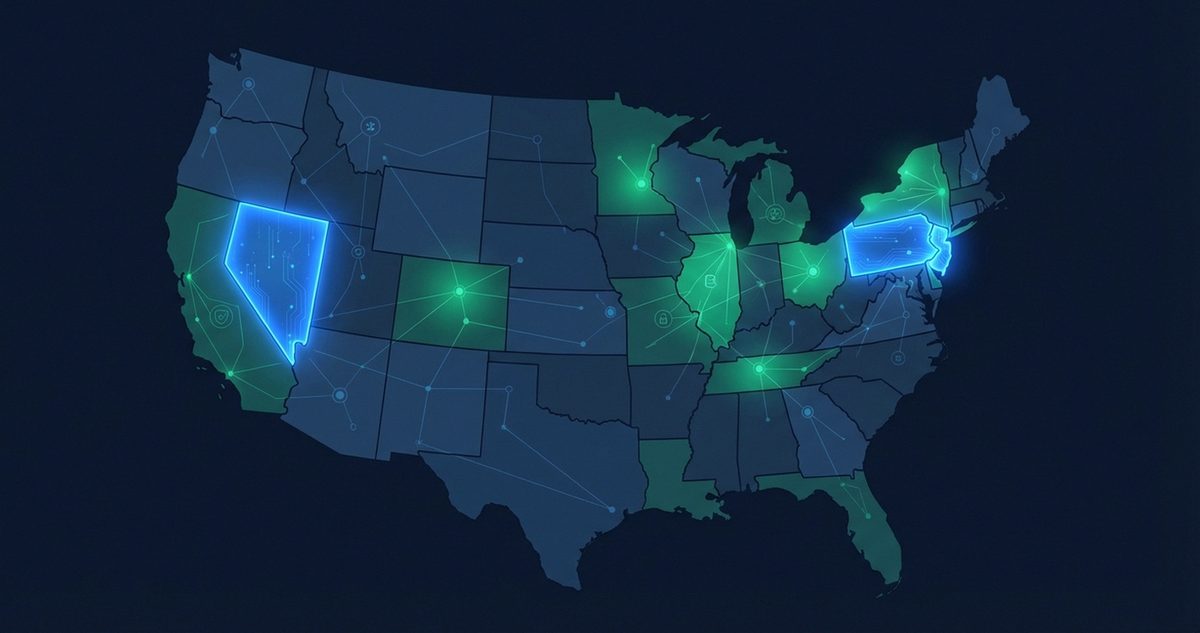

Understanding the dynamic landscape of US iGaming legal states is paramount for any operator or stakeholder looking to thrive in the American market. The rapid expansion of regulated online gambling across the USA, particularly following key legislative changes, has created both immense opportunities and complex challenges. This comprehensive guide provides an in-depth look at American iGaming regulation, offering crucial insights into the states where online casinos and sports betting are legal, their specific regulatory frameworks, and market performance.
As the industry continues its evolution, staying abreast of each state’s unique approach to licensing, taxation, and operational requirements is essential. From established giants like New Jersey and Pennsylvania to emerging markets, our analysis covers the critical details needed to navigate the intricacies of online gambling legal USA, focusing on the current status as of early 2026. This B2B resource aims to equip you with the knowledge to make informed strategic decisions in this competitive sector.
The Evolution of US iGaming Regulation: Key Milestones
The journey of US iGaming regulation has been marked by significant federal and state-level developments. For decades, the landscape was largely restricted, but a series of pivotal events reshaped the legal framework, paving the way for the robust industry we see today. These foundational changes are crucial for understanding the current environment for US iGaming legal states.
The shift from a predominantly prohibitory stance to one of state-led regulation has unlocked substantial revenue streams and fostered innovation. This section delves into the legislative milestones that have defined the modern era of online gambling legal USA, providing essential context for operators and investors alike.
PASPA Repeal and the Rise of State-Level Sports Betting
The landmark repeal of the Professional and Amateur Sports Protection Act (PASPA) by the U.S. Supreme Court in May 2018 stands as the single most impactful event in the history of US sports betting legal operations. Prior to this, PASPA effectively prohibited single-game sports wagering in most states. Its overturning granted individual states the authority to legalize and regulate sports betting as they saw fit. This decision immediately opened the floodgates, leading to a rapid proliferation of both retail and online sportsbooks across the nation, transforming the landscape for American iGaming regulation.
This federal shift empowered states to tailor their regulatory models to their unique political and economic circumstances, resulting in a diverse patchwork of legal frameworks. The speed at which states moved to capitalize on this new revenue opportunity underscored the pent-up demand for regulated sports wagering and set the precedent for broader iGaming discussions.
The Wire Act and its Interpretation
The Interstate Wire Act of 1961, originally targeting organized crime and illegal sports betting, has seen its interpretation evolve significantly, impacting the expansion of US online casino states and multi-state online poker. Initially, a 2011 Department of Justice (DOJ) opinion clarified that the Wire Act only applied to sports betting, effectively allowing states to pursue other forms of online gambling, such as online casinos and poker. This interpretation was crucial for the early development of online gambling legal USA outside of sports betting.
However, a subsequent 2018 DOJ opinion reversed this, suggesting the Wire Act applied to all forms of interstate gambling, which caused considerable uncertainty. Fortunately, court rulings, notably the First Circuit’s decision in New Hampshire Lottery Commission v. Barr, largely reaffirmed the 2011 interpretation, limiting the Wire Act’s scope primarily to sports betting. This legal back-and-forth highlights the ongoing regulatory complexities inherent in US iGaming regulation.
Key US iGaming Legal States: Online Casino & Sports Betting
The United States now boasts a growing number of states that permit both online casino gaming (iGaming) and sports betting, offering comprehensive digital gambling experiences. These states represent the most mature and lucrative markets for operators targeting the full spectrum of online gambling legal USA. Understanding the specific regulations, market dynamics, and revenue figures within these jurisdictions is vital for strategic planning.
This section provides a detailed overview of the leading US iGaming legal states that have embraced both online casino and sports betting, offering insights into their launch dates, regulatory bodies, key operators, tax structures, and market performance as of early 2026. This information is critical for any entity navigating the complex environment of American iGaming regulation.
New Jersey: The Pioneer of US Online Casino States
New Jersey stands as a beacon for US online casino states, having launched its iGaming market in November 2013, followed by online sports betting in June 2018. Regulated by the Division of Gaming Enforcement (DGE), NJ offers a robust and competitive market. Key operators include DraftKings, FanDuel, BetMGM, Caesars, Golden Nugget, and Resorts World Bet, among many others, operating under land-based casino licenses. The state applies a 15% tax rate on online casino gross gaming revenue (GGR) and 13% on online sports betting GGR (plus 8.5% for retail sports betting). New Jersey consistently leads in revenue, showcasing a mature and thriving market for online gambling legal USA, with monthly GGR often exceeding $180 million for iGaming and $100 million for sports betting.
Pennsylvania: High Taxes, High Returns
Pennsylvania joined the ranks of US iGaming legal states with online casino launches in July 2019 and online sports betting in May 2019. The Pennsylvania Gaming Control Board (PGCB) oversees this significant market. Major operators include FanDuel, DraftKings, BetMGM, Caesars, and Hollywood Casino. Pennsylvania is notable for its high tax rates: 54% for online slots, 16% for online table games and poker, and 36% for online sports betting. Despite the high taxation, PA remains a top-tier market, generating substantial revenue for American iGaming regulation, with iGaming GGR often surpassing $150 million monthly and sports betting GGR consistently strong.
Michigan: Rapid Growth and Strong Performance
Michigan swiftly emerged as a major player among US online casino states, launching both online casino and sports betting in January 2021. The Michigan Gaming Control Board (MGCB) regulates the market, which features prominent operators like DraftKings, FanDuel, BetMGM, Caesars, and Barstool (now ESPN Bet). The state employs a tiered tax rate for both online casino and sports betting, ranging from 20% to 28% based on adjusted gross receipts. Michigan has experienced rapid growth, quickly becoming one of the top revenue generators, reflecting strong consumer demand for online gambling legal USA and effective US iGaming regulation.
West Virginia: A Smaller but Established Market
West Virginia was an early adopter among US iGaming legal states, launching online sports betting in September 2018 and online casino in July 2020. The West Virginia Lottery Commission oversees its operations. Key operators include DraftKings, FanDuel, BetMGM, and Caesars. The state imposes a 15% tax rate on adjusted gross revenue for both online casino and sports betting. While a smaller market compared to its larger counterparts, WV provides valuable insights into how American iGaming regulation can succeed in states with lower population densities, offering a stable environment for US online casino states.
Connecticut: Tribal-State Partnerships
Connecticut entered the US iGaming legal states arena in October 2021, legalizing both online casino and sports betting. Its unique market structure is a result of tribal-state compacts, with the Department of Consumer Protection (DCP) overseeing regulation. The market is primarily dominated by two major operators: DraftKings (partnered with Foxwoods Resort Casino) and FanDuel (partnered with Mohegan Sun). Connecticut levies an 18% tax on online casino GGR and 13.75% on online sports betting GGR. This model showcases an alternative approach to US iGaming regulation, emphasizing the role of tribal gaming enterprises in expanding online gambling legal USA.
Delaware: The First US Online Casino State
Delaware holds the distinction of being the very first of the US online casino states, launching iGaming in November 2013, followed by online sports betting in June 2018. The Delaware Lottery oversees the state’s operations, utilizing a single-platform model managed by 888 Holdings/Scientific Games. The tax structure is unique, with 100% of revenue going to the state lottery, though operators receive a percentage fee. As the smallest of the US iGaming legal states, Delaware’s market is modest but historically significant, demonstrating early efforts in American iGaming regulation and the potential for a centralized operational model for online gambling legal USA.
Rhode Island: Latest Entrant for Online Casino
Rhode Island expanded its US iGaming legal states footprint by launching online sports betting in September 2019, and most recently, online casino in early 2024. The Rhode Island Lottery Commission is the regulatory body, with Bally’s Corporation holding exclusive rights for both online casino and sports betting operations. The state applies a 51% tax rate on online sports betting GGR and a similar high rate (50%) for online casino GGR, reflecting a strong state interest in revenue maximization. This recent addition to the US online casino states highlights continued momentum in American iGaming regulation.
US Sports Betting Legal States (Online Only)
Beyond the states offering both online casino and sports betting, a substantial number of jurisdictions have legalized only online sports wagering. These states represent significant opportunities for sports betting operators and are crucial components of the broader US iGaming legal states market. While they may not offer the full suite of online gambling, their collective impact on the online gambling legal USA landscape is immense.
This section outlines key states where US sports betting legal operations are live, detailing their regulatory bodies, launch dates, and tax rates. This information is vital for operators focusing specifically on sports wagering within the framework of American iGaming regulation.
Major Sports Betting Markets
States like **New York** (launched January 2022, NY Gaming Commission, 51% tax) quickly became the largest sports betting market by handle, despite its high tax rate. **Ohio** (launched January 2023, Ohio Casino Control Commission, 20% tax) has also seen rapid growth and high engagement. **Illinois** (launched March 2020, Illinois Gaming Board, 15% tax) and **Maryland** (launched November 2022, Maryland Lottery and Gaming Control Agency, 15% tax) are other significant markets with numerous operators. **Massachusetts** (launched March 2023, Massachusetts Gaming Commission, 20% tax) quickly established itself as a major player, demonstrating the appetite for US sports betting legal options.
Expanding Sports Betting Footprint
Further contributing to the US iGaming legal states picture are states such as **Arizona** (launched September 2021, Arizona Department of Gaming, 8-10% tax, tribal partnerships), **Colorado** (launched May 2020, Colorado Department of Revenue, 10% tax), and **Virginia** (launched January 2021, Virginia Lottery, 15% tax). Other notable states include **Tennessee** (launched November 2020, TN Education Lottery, 20% tax), **Indiana** (launched October 2019, Indiana Gaming Commission, 9.5% tax), and **Louisiana** (launched January 2022, Louisiana Gaming Control Board, 15% tax). Each of these markets, while varying in size and specifics, underscores the widespread acceptance of online gambling legal USA for sports wagering and the diverse approaches to American iGaming regulation.
States with Pending Legislation and Future Outlook
The landscape of US iGaming legal states is not static. Several states are actively considering or have pending legislation to expand their online gambling offerings, particularly for online casinos. These potential future markets represent the next wave of opportunities for operators and developers within American iGaming regulation.
States like **California**, **Texas**, and **Florida**, despite their massive populations, have historically faced significant hurdles due to complex political dynamics and powerful tribal interests. However, discussions around sports betting legalization, and in some cases, iGaming, continue. Smaller but potentially impactful states such as **New Hampshire**, **Maine**, and **Missouri** are also frequently mentioned in discussions about expanding online gambling legal USA. Monitoring legislative sessions and lobbying efforts in these states is crucial for anticipating the next phase of growth for US online casino states and US sports betting legal jurisdictions.
Navigating American iGaming Regulation: Practical Advice for B2B Operators
Operating within the fragmented US iGaming legal states market requires a sophisticated understanding of regulatory nuances and strategic foresight. For B2B operators, navigating the diverse landscape of American iGaming regulation presents both significant challenges and unparalleled opportunities. Success hinges on meticulous preparation, robust compliance frameworks, and adaptable market entry strategies.
This section offers practical recommendations for businesses looking to enter or expand their presence in the online gambling legal USA market, ensuring compliance and maximizing growth potential. From licensing to technology, every aspect demands careful consideration within this evolving regulatory environment.
Licensing and Compliance Best Practices
Securing a license is the primary hurdle for any operator in US online casino states. Each state’s licensing body (e.g., DGE, PGCB, MGCB) has distinct requirements, which often include extensive background checks for key personnel, detailed financial disclosures, and rigorous technical standards for platforms. Operators must demonstrate impeccable integrity, financial stability, and technical capability. Developing a robust internal compliance program that continuously monitors changes in US iGaming regulation is non-negotiable. This includes anti-money laundering (AML) protocols, responsible gaming initiatives, and data privacy compliance (e.g., state-specific privacy laws), all critical for maintaining good standing in the US sports betting legal market.
Technology and Operational Readiness
The technical infrastructure must meet stringent state-specific requirements, including geolocation verification, age verification, data security, and game fairness testing. Platforms must be capable of integrating with state regulatory reporting systems and supporting responsible gaming tools. For B2B providers, ensuring your software and services are modular and adaptable to various state regulations is key. Operational readiness also involves establishing localized customer support, payment processing solutions tailored to US banking systems, and marketing strategies compliant with state advertising guidelines. This ensures seamless integration into the online gambling legal USA ecosystem.
Strategic Partnerships and Market Entry
Given the complexities of American iGaming regulation, strategic partnerships are often crucial for market entry. This includes partnering with established land-based casinos or tribal gaming entities, which often hold master licenses. Understanding the local political and economic landscape, including the influence of tribal gaming, is vital. For B2B suppliers, aligning with operators who have strong local ties and a clear understanding of the state’s specific regulatory quirks can significantly de-risk market entry. Tailoring your product offerings to meet the preferences of players in specific US iGaming legal states can also provide a competitive edge.
Frequently Asked Questions
Which are the top US iGaming legal states for online casino operations?
The leading US iGaming legal states for online casino operations as of early 2026 are New Jersey, Pennsylvania, and Michigan. These states consistently generate the highest revenues due to their mature markets, wide range of operators, and strong consumer bases, making them prime targets for US online casino states expansion.
When did online gambling become legal in the USA after PASPA’s repeal?
Following the PASPA repeal in May 2018, states quickly began legalizing online sports betting. New Jersey was one of the first, launching online sports betting in June 2018. Online casino legality, which predated PASPA’s repeal in a few states, has also expanded significantly since then, solidifying the presence of online gambling legal USA.
What is the average tax rate for US sports betting legal operations?
The tax rate for US sports betting legal operations varies significantly by state, ranging from as low as 6.75% in Iowa to as high as 51% in New York. The average tends to fall between 15% and 20%, but operators must meticulously research each state’s specific tax structure as part of their American iGaming regulation compliance.
Are there any US iGaming legal states that only offer sports betting and not online casinos?
Yes, many US iGaming legal states currently only offer online sports betting. Examples include New York, Ohio, Illinois, Maryland, Massachusetts, Colorado, and Virginia. These states have not yet expanded their legislation to include online casino games, focusing solely on US sports betting legal frameworks.
How does the Wire Act impact multi-state online poker and casino compacts?
The Wire Act’s current interpretation, which generally limits its scope to sports betting, has allowed for multi-state online poker compacts (e.g., between Nevada, New Jersey, Delaware, and Michigan). However, its implications for multi-state online casino compacts are less clear and subject to ongoing legal scrutiny, impacting the potential for broader online gambling legal USA interstate liquidity.
Which regulatory bodies oversee US online casino states?
Each of the US online casino states has its own dedicated regulatory body. Examples include the Division of Gaming Enforcement (DGE) in New Jersey, the Pennsylvania Gaming Control Board (PGCB), and the Michigan Gaming Control Board (MGCB). These bodies are responsible for licensing, oversight, and enforcement of American iGaming regulation.
What are the biggest challenges for operators entering new US iGaming legal states?
The biggest challenges for operators entering new US iGaming legal states include navigating diverse and complex regulatory frameworks, securing expensive licenses, managing high tax rates, establishing brand recognition in competitive markets, and ensuring compliance with state-specific technical and operational requirements. This fragmentation is a hallmark of American iGaming regulation.
Are there any states expected to legalize online casinos in the near future (early 2026)?
While legislative processes are unpredictable, states like Indiana and Maryland have seen significant discussions around expanding their US sports betting legal frameworks to include online casinos. Additionally, larger states like California and Texas are always subjects of speculation, though progress is typically slower due to political complexities in expanding online gambling legal USA.
How important is responsible gaming in US iGaming regulation?
Responsible gaming is a critical component of US iGaming regulation. All US iGaming legal states mandate robust responsible gaming programs, including self-exclusion lists, deposit limits, time limits, and access to problem gambling resources. Operators must demonstrate a strong commitment to player protection to maintain their licenses and operate successfully in the online gambling legal USA market.
What role do tribal casinos play in American iGaming regulation?
Tribal casinos play a significant role in American iGaming regulation, particularly in states like Connecticut, Arizona, and Florida (where discussions are ongoing). Many states require online operators to partner with existing land-based tribal casinos to gain market access, reflecting the tribes’ sovereign rights and established gaming presence. This creates unique partnership models within the US iGaming legal states.
The landscape of US iGaming legal states is a vibrant, complex, and continuously evolving environment. From the pioneering efforts in New Jersey and Delaware to the rapid expansion across numerous jurisdictions, the growth of online gambling legal USA has reshaped the entertainment and revenue generation sectors. For B2B operators, a deep understanding of each state’s unique American iGaming regulation, market dynamics, and operational requirements is not just beneficial, but essential for sustained success.
As of early 2026, the trajectory for both US online casino states and US sports betting legal jurisdictions remains positive, with further expansion anticipated. Staying informed, adaptable, and compliant with the intricacies of this diverse regulatory framework will be key to unlocking the full potential of the American iGaming market. Partner with experts who understand this landscape to navigate these opportunities effectively.