
iGaming Payment Processing: Fiat & Crypto Solutions Guide
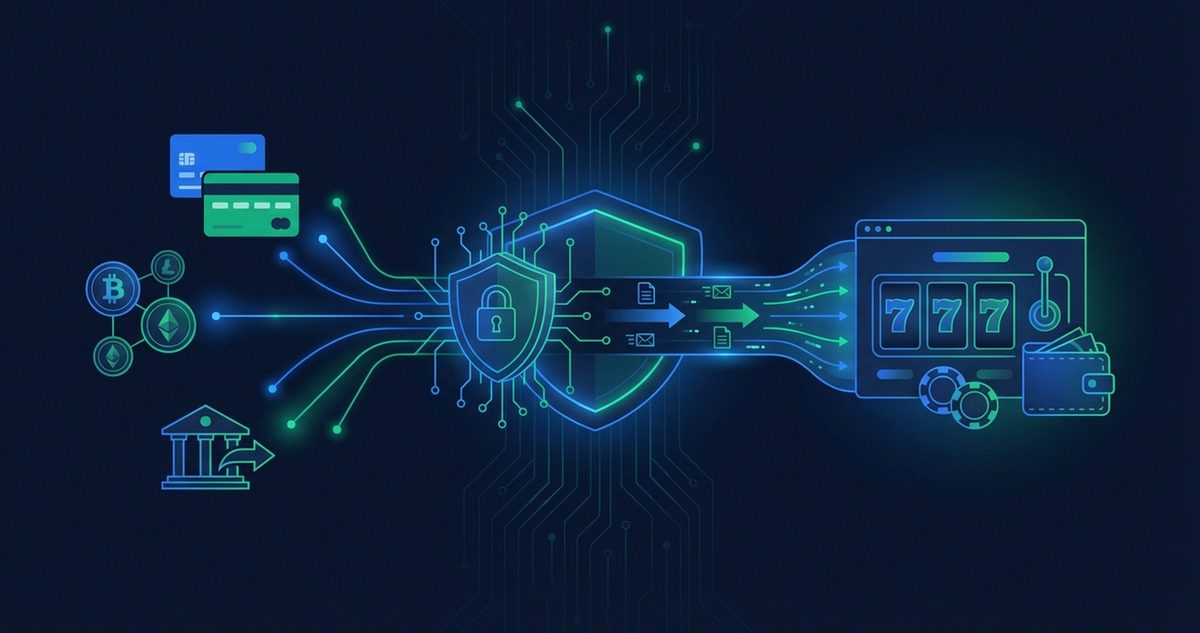

In the rapidly evolving world of online gaming, efficient and secure iGaming payment processing is not just a convenience; it’s the bedrock of operator success. For online casinos, sportsbooks, and other digital gambling platforms, providing diverse, reliable, and swift payment methods is paramount to attracting and retaining players. This comprehensive B2B guide delves into the complexities of payment solutions, covering everything from traditional fiat options to the burgeoning realm of crypto casino payments.
Understanding the nuances of a robust gambling payment gateway, navigating regulatory compliance, and mitigating risks like fraud and chargebacks are critical. We’ll explore leading iGaming payment providers, highlight regional preferences, and examine emerging trends to equip operators with the knowledge needed to build a seamless and secure payment ecosystem.
The Critical Role of iGaming Payment Processing for Operators
Effective iGaming payment processing stands at the core of any successful online gaming operation. It directly influences player acquisition, retention, and overall operational efficiency. A clunky or unreliable payment system can deter potential players, leading to abandoned registrations and lost revenue opportunities.
For operators, the challenge lies in balancing player convenience with stringent security requirements and regulatory compliance. Providing a wide array of online casino payment methods, both fiat and crypto, is essential to cater to a global audience with diverse preferences.
Key Considerations for Selecting an iGaming Payment Gateway
Choosing the right gambling payment gateway is a strategic decision that impacts every facet of your business. It’s not merely about processing transactions; it’s about safeguarding funds, ensuring compliance, and delivering an exceptional user experience. Operators must conduct thorough due diligence.
Evaluating potential partners requires a holistic view, considering technological capabilities, geographic reach, and their track record in the high-risk iGaming sector. The right gateway acts as a strategic partner, not just a service provider, in your iGaming payment processing strategy.
Security and Compliance (PCI DSS)
Top-tier security is non-negotiable. A reputable iGaming payment provider must demonstrate robust fraud prevention measures and adherence to global standards like PCI DSS. Protecting sensitive player data and financial information is paramount to maintaining trust and avoiding severe penalties.
Fraud Prevention and Risk Management
The iGaming industry is a prime target for fraudulent activities. An effective payment gateway integrates advanced fraud detection tools, including AI-driven analytics and real-time monitoring. Proactive risk management is crucial for minimising chargebacks and financial losses associated with illicit transactions.
Integration Complexity and API
The ease of integration with your existing platform is vital. A flexible API and comprehensive developer documentation can significantly reduce implementation time and costs. Seamless integration ensures a smooth user journey from deposit to withdrawal, enhancing player satisfaction with your online casino payment methods.
Supported Payment Methods (Fiat & Crypto)
A diverse portfolio of payment options is essential. This includes major credit/debit cards, e-wallets, bank transfers, and increasingly, various cryptocurrencies. The ability to offer both fiat and crypto casino payments broadens your market reach and caters to modern player demands.
Regional Coverage and Localisation
Global iGaming operations require payment solutions that support local currencies and popular regional payment methods. A provider with extensive geographic coverage can help you penetrate new markets and offer localised experiences, which is a significant advantage in competitive landscapes.
Fiat Payment Processors for Online Casinos
Fiat currency options remain the backbone of iGaming payment processing for the majority of players. These traditional methods offer familiarity and widespread acceptance, making them indispensable for any online casino. Operators must select processors that can handle high volumes securely.
The landscape of fiat online casino payment methods is constantly evolving, with new digital wallets and instant banking solutions emerging alongside established giants. A balanced approach ensures both broad appeal and efficiency.
Traditional Banking Methods
Credit and debit cards (Visa, MasterCard) are universally accepted, offering instant deposits. Bank transfers, while slower, are preferred for larger transactions and withdrawals. These methods are fundamental to any robust gambling payment gateway.
E-wallets (Skrill, Neteller, PayPal)
E-wallets provide speed, convenience, and an added layer of privacy, making them highly popular among iGaming players. Services like Skrill, Neteller, and PayPal offer rapid transactions and are often preferred for their ease of use and security features in iGaming payment processing.
Prepaid Cards and Vouchers
Prepaid solutions like Paysafecard allow players to manage their spending and maintain anonymity, appealing to a segment of the market focused on responsible gaming and privacy. These are excellent additions to diversify online casino payment methods.
Leading Fiat iGaming Payment Providers
Several key players dominate the fiat iGaming payment providers space, offering robust solutions tailored for the industry’s unique demands. Their expertise in risk management, compliance, and global reach is invaluable for operators.
- Nuvei: Comprehensive Global Solutions
Nuvei offers a full-stack payments platform, known for its extensive global reach, supporting over 200 markets and 150 currencies. They excel in optimising acceptance rates and providing advanced fraud prevention for iGaming operators. Their flexibility in integrating various online casino payment methods makes them a strong partner. - Worldpay: Scale and Reliability
As one of the largest payment processors globally, Worldpay (now FIS) provides unmatched scale and reliability. Their solutions are designed for high-volume transactions and offer robust security features, making them a trusted choice for established iGaming businesses seeking stable iGaming payment processing. - Adyen: Unified Commerce Platform
Adyen’s single platform approach simplifies payment management across channels and geographies. They are renowned for their data-driven insights, global acquiring capabilities, and ability to handle complex payment flows, including a wide range of gambling payment gateway options for operators targeting international markets.
Embracing Crypto Casino Payments in iGaming
The integration of crypto casino payments is no longer a niche offering but a strategic imperative for forward-thinking iGaming operators. Cryptocurrencies offer distinct advantages, including lower transaction fees, faster processing times, and enhanced privacy, appealing to a growing segment of tech-savvy players.
Implementing crypto solutions expands your market reach and positions your brand at the forefront of innovation in iGaming payment processing. However, it also introduces new considerations regarding volatility and regulatory uncertainty.
The Rise of Digital Currencies in iGaming
Cryptocurrencies like Bitcoin and Ethereum have gained significant traction due to their decentralised nature and potential for quick, cross-border transactions. Players are increasingly seeking platforms that support these digital assets, driving demand for robust crypto casino payments integration.
Integrating Crypto Payment Gateways
Integrating crypto payments requires a specialised gambling payment gateway that can handle conversions, manage wallets, and ensure secure transactions. Key cryptocurrencies to consider include:
- Bitcoin (BTC): The pioneer cryptocurrency, offering widespread recognition and a large user base. Essential for any crypto offering.
- Ethereum (ETH) and ERC-20 Tokens: Ethereum’s smart contract capabilities allow for innovative gaming experiences, while ERC-20 tokens offer a wide array of alternative digital assets.
- Stablecoins (USDT, USDC): Pegged to fiat currencies, stablecoins mitigate volatility risks, making them attractive for both operators and players seeking stability in their crypto casino payments.
Advantages of Crypto Payments
Benefits include significantly lower transaction fees compared to traditional banking, near-instant global transfers, and increased player privacy. These factors contribute to a more efficient and appealing iGaming payment processing experience for a specific demographic.
Challenges and Considerations
Volatility remains a primary concern for operators, requiring careful management of conversion risks. Regulatory landscapes for cryptocurrencies are also still evolving, necessitating constant monitoring and adaptation for compliance in iGaming payment processing.
Managing Chargebacks and Preventing Fraud in iGaming
Chargebacks and fraud are persistent threats in the iGaming sector, posing significant financial and reputational risks. A robust iGaming payment processing strategy must incorporate comprehensive measures to combat these issues effectively. Proactive prevention is always more cost-effective than reactive damage control.
Operators need to invest in advanced tools and processes to protect their business and maintain the integrity of their online casino payment methods. This includes a multi-layered approach to security and transaction monitoring.
Understanding Chargebacks in iGaming
Chargebacks occur when a player disputes a transaction with their bank or card issuer, leading to a forced refund. In iGaming, common reasons include friendly fraud, genuine fraud, or dissatisfaction. High chargeback rates can lead to fines, account suspension, and increased processing fees from iGaming payment providers.
Strategies for Chargeback Mitigation
Effective strategies include clear terms and conditions, transparent billing descriptors, robust customer support to resolve disputes before they escalate, and implementing strong authentication protocols. Timely communication with players can significantly reduce chargeback instances related to gambling payment gateway transactions.
Advanced Fraud Prevention Tools and AI
Leveraging artificial intelligence (AI) and machine learning (ML) for real-time transaction monitoring can identify suspicious patterns and anomalies. These tools are crucial for detecting synthetic identities, account takeovers, and bonus abuse, bolstering the security of your iGaming payment processing.
KYC/AML Compliance for Enhanced Security
Know Your Customer (KYC) and Anti-Money Laundering (AML) procedures are fundamental. Verifying player identities at various stages (registration, large deposits/withdrawals) helps prevent fraud, money laundering, and underage gambling, ensuring compliance with global financial regulations for all online casino payment methods.
Regulatory Compliance: PCI DSS and Beyond
Compliance is non-negotiable for any iGaming payment processing operation. Failing to adhere to industry standards and jurisdictional laws can result in hefty fines, loss of licenses, and severe reputational damage. Operators must work with iGaming payment providers who are equally committed to compliance.
The regulatory landscape is complex and constantly evolving, requiring continuous vigilance and adaptation. This includes not just payment-specific regulations but also broader data protection and gambling laws.
What is PCI DSS and Why it’s Critical
The Payment Card Industry Data Security Standard (PCI DSS) is a set of security standards designed to ensure that all companies that accept, process, store, or transmit credit card information maintain a secure environment. For iGaming payment processing, PCI DSS compliance is mandatory to protect cardholder data and avoid breaches.
Licensing and Jurisdictional Requirements
Each regulated iGaming market has specific licensing requirements that dictate acceptable online casino payment methods, transaction limits, and reporting obligations. Operators must ensure their chosen gambling payment gateway is compliant with the regulations of all target jurisdictions.
Data Protection (GDPR, CCPA)
Beyond payment data, general data protection regulations like GDPR (Europe) and CCPA (California) impose strict rules on how personal data is collected, stored, and processed. These regulations impact how player information is handled during iGaming payment processing and require careful attention.
Regional Payment Preferences and Strategic Expansion
Understanding and catering to regional payment preferences is crucial for global iGaming operators. A one-size-fits-all approach to iGaming payment processing will likely limit market penetration and player satisfaction. Different regions exhibit distinct behaviours and trust different online casino payment methods.
Successful expansion hinges on offering localised payment solutions that resonate with the target audience, building trust and convenience. This is where a versatile gambling payment gateway truly adds value.
European Market
Europe is a diverse market. While cards and e-wallets are popular, local bank transfer methods like SEPA Direct Debit, Trustly (for Pay N Play), and instant payment schemes are highly favoured. Operators need a broad suite of iGaming payment processing options to succeed here.
North American Market
In regulated US states, credit/debit cards, ACH (bank transfers), and specific e-wallets like PayPal are dominant. The Canadian market also heavily relies on Interac. The fragmented regulatory landscape requires tailored iGaming payment providers solutions.
Latin America
LatAm markets show strong preferences for local payment methods such as Pix in Brazil, Boleto Bancário, and various local card schemes. Cash-based solutions are also significant. Adapting iGaming payment processing to these local nuances is key for success.
Asia Pacific
Asia is highly fragmented, with mobile wallets, QR code payments (e.g., WeChat Pay, Alipay), and local bank transfers being prevalent. Credit cards are less dominant in some regions. Operators must partner with iGaming payment providers offering deep local expertise for this dynamic market.
Emerging Trends in iGaming Payment Processing
The landscape of iGaming payment processing is constantly evolving, driven by technological advancements and changing player expectations. Staying abreast of these emerging trends is vital for operators looking to maintain a competitive edge and offer the most innovative online casino payment methods.
From instant play solutions to the growing influence of AI, these trends are shaping the future of how players deposit and withdraw funds, enhancing efficiency and security.
Pay N Play Solutions: Instant Deposits & Withdrawals
Pioneered by Trustly, Pay N Play allows players to deposit and play instantly without a lengthy registration process, using their bank ID for verification. This streamlines the user experience and offers immediate withdrawals, significantly boosting conversion rates for iGaming payment processing.
Open Banking and API-driven Payments
Open Banking allows third-party financial service providers to access consumer banking data with explicit consent. This facilitates more direct, secure, and cost-effective bank-to-bank payments, bypassing traditional card networks. It represents a significant shift in gambling payment gateway technology.
Mobile-First Payment Experiences
With the majority of iGaming now happening on mobile devices, optimising payment flows for smartphones and tablets is critical. Seamless mobile wallets, one-click payments, and biometric authentication are becoming standard expectations for online casino payment methods.
Artificial Intelligence in Fraud Detection
AI and machine learning are increasingly sophisticated in identifying complex fraud patterns, often in real-time. This proactive approach significantly enhances security, reduces false positives, and improves the overall integrity of iGaming payment processing systems.
Comparing Top iGaming Payment Providers
Selecting the ideal iGaming payment providers involves a careful comparison of their features, capabilities, and suitability for your specific operational needs. While Nuvei, Worldpay, and Adyen are market leaders, other specialised providers may offer niche advantages.
Consider factors like global reach, support for various online casino payment methods (fiat and crypto), fraud prevention tools, and customer service. A detailed assessment ensures you partner with a provider that aligns with your growth strategy and compliance requirements for iGaming payment processing.
Choosing the Right Partner for Your Operations
The best gambling payment gateway is one that offers a balanced combination of security, flexibility, global reach, and cost-effectiveness tailored to your business model. Evaluate their experience specifically within the iGaming sector, their ability to support both traditional and crypto casino payments, and their commitment to ongoing innovation.
Frequently Asked Questions
What is iGaming payment processing?
iGaming payment processing refers to the system and services that facilitate financial transactions (deposits and withdrawals) for online gambling platforms, including casinos, sportsbooks, and poker sites. It involves managing various online casino payment methods, ensuring security, fraud prevention, and regulatory compliance for operators.
How do I choose the best iGaming payment gateway?
Choosing the best gambling payment gateway involves assessing factors like security features (PCI DSS compliance), fraud prevention tools, supported payment methods (fiat and crypto), regional coverage, ease of integration, cost structure, and customer support. It’s crucial to select a provider with specific expertise in the high-risk iGaming sector.
What are the most popular online casino payment methods?
Popular online casino payment methods include credit/debit cards (Visa, MasterCard), e-wallets (Skrill, Neteller, PayPal), bank transfers, prepaid cards (Paysafecard), and increasingly, cryptocurrencies like Bitcoin, Ethereum, and stablecoins. Regional preferences also play a significant role.
Are crypto casino payments safe for operators?
Crypto casino payments offer enhanced security features like blockchain encryption. However, operators must manage volatility risks and ensure compliance with evolving cryptocurrency regulations. Partnering with a reputable iGaming payment provider that specialises in crypto integration is essential for safe and compliant operations.
How can iGaming operators prevent chargebacks?
To prevent chargebacks, iGaming operators should implement robust KYC/AML procedures, clear terms and conditions, transparent billing descriptors, strong customer support for dispute resolution, and advanced fraud detection tools. Utilising 3D Secure authentication for card transactions can also significantly reduce chargeback rates.
What is PCI DSS compliance and why is it important for iGaming?
PCI DSS (Payment Card Industry Data Security Standard) is a global standard for organisations that handle credit card information. For iGaming payment processing, it’s critical to protect sensitive cardholder data, prevent data breaches, and avoid severe penalties and reputational damage. All reputable iGaming payment providers adhere to PCI DSS.
Which iGaming payment providers offer global coverage?
Leading iGaming payment providers like Nuvei, Worldpay (FIS), and Adyen offer extensive global coverage, supporting multiple currencies and regional payment methods across various continents. They provide the infrastructure needed for operators to expand into diverse international markets.
What are the benefits of integrating Pay N Play solutions?
Pay N Play solutions, pioneered by Trustly, offer instant deposits and withdrawals without requiring lengthy registration forms. This significantly improves player conversion rates, enhances the user experience, and provides immediate access to funds, making it a highly attractive option for iGaming payment processing in certain markets.
How does fraud prevention work in iGaming payment processing?
Fraud prevention in iGaming payment processing involves a multi-layered approach. This includes real-time transaction monitoring, AI/machine learning algorithms to detect suspicious patterns, IP geo-location, device fingerprinting, KYC/AML checks, and robust authentication protocols to identify and block fraudulent activities.
Should my iGaming platform accept stablecoins?
Yes, accepting stablecoins like USDT or USDC can be highly beneficial for your iGaming platform. Stablecoins mitigate the volatility risks associated with other cryptocurrencies while retaining the advantages of fast, low-cost crypto casino payments. They offer a stable digital asset option, appealing to players seeking predictability in their transactions.
Navigating the intricate landscape of iGaming payment processing requires strategic foresight and a deep understanding of both traditional and emerging solutions. For operators, success hinges on building a payment infrastructure that prioritises security, compliance, player convenience, and adaptability. From selecting a robust gambling payment gateway to integrating diverse online casino payment methods, including cutting-edge crypto casino payments, every decision impacts your bottom line and reputation.
By partnering with experienced iGaming payment providers and embracing advanced fraud prevention techniques, you can ensure seamless operations and foster player trust. Stay informed on regional preferences and emerging trends like Pay N Play to future-proof your business in this dynamic industry. Optimise your payment ecosystem today to unlock unparalleled growth and provide an exceptional gaming experience.